What Is DeepBrain AI? A Strategic Overview for 2026
DeepBrain AI — operating its core product under the brand AI Studios — has quietly become one of the most complete AI video platforms on the market. While tools like HeyGen and Synthesia compete in the avatar video space, DeepBrain AI has taken a broader approach: it integrates avatar generation, text-to-video, image generation, voice cloning, multilingual dubbing, and even deepfake detection into a single platform.
In 2026, this matters more than ever. Video is now the default format for training, marketing, education, and customer engagement. Brands that can produce high-quality, multilingual video content at scale have a measurable competitive edge — and DeepBrain AI is purpose-built for exactly that use case.
This guide covers every major feature, who each feature is for, real pricing benchmarks, common mistakes to avoid, and honest comparisons with competing tools.
Core Features of DeepBrain AI (AI Studios)
1. AI Avatars — 2,000+ Realistic Digital Presenters
DeepBrain AI offers a library of over 2,000 realistic AI avatars — one of the largest avatar libraries in the industry. These are pre-built presenters that speak your script with synchronized lip movement and natural gestures. You don't need a camera, lighting rig, or actor.
Beyond static avatars, DeepBrain AI also offers Interactive AI Avatars — conversational agents compatible with large language models (LLMs). These avatars can hold dynamic conversations, respond to user input in real time, and are increasingly used for customer service kiosks, retail displays, and AI-powered training interfaces.
This puts DeepBrain AI in a different league than purely video-output tools. Compared to D-ID, which focuses heavily on talking-head video generation from photos, DeepBrain AI's interactive avatar layer adds a genuine customer experience layer.
2. Multilingual Video Localization — 150+ Languages
One of the most commercially powerful features in AI Studios is its AI dubbing and localization engine. Upload a video or create one from scratch, and the platform can translate and re-dub it into 150+ languages with:
- Voice cloning that preserves the original speaker's tone
- Automatic lip-sync adjustment to match the translated audio
- No manual subtitle editing required
In practice, this means a single corporate training video can be localized into 20 languages in a fraction of the time it would take a human dubbing studio. One documented example: a marketing freelancer used AI Studios to localize one corporate video into 20 languages, billing the client $2,500 for the project.
For comparison, HeyGen also offers strong multilingual capabilities, but DeepBrain AI's 150+ language coverage and LLM-compatible interactive avatars give it an edge for enterprise-scale localization workflows.
3. Top-Tier AI Video Model Access
AI Studios integrates with leading generative video models directly inside the platform. As of 2026, supported models include:
- Sora 2.1 Pro — OpenAI's flagship video generation model
- Veo 3.1 — Google's high-fidelity video generation model
- Kling 2.6 — Strong for cinematic and stylized content
Rather than needing separate subscriptions to Sora 2, Google Veo 3.1, or Kling AI individually, AI Studios lets you access and compare these models in one workspace. This is a significant workflow advantage for agencies and studios that need to test multiple models before committing to a final output style.
4. Prompt-to-Video and 7,000+ Templates
DeepBrain AI supports converting any text prompt directly into a finished video. The workflow is straightforward:
- Enter your topic or paste a script
- Select an avatar, background, and visual style
- Choose a video model (Veo 3.1, Sora, Kling, etc.)
- Generate and export
For creators and businesses who need volume, the 7,000+ pre-built templates dramatically reduce production time. Templates cover corporate training, social media ads, real estate listings, e-commerce product demos, and more. This is where DeepBrain AI competes directly with Pictory for content-at-scale use cases — though DeepBrain AI's avatar quality and model selection are considerably more advanced.
Newsletter
Get the latest SaaS reviews in your inbox
By subscribing, you agree to receive email updates. Unsubscribe any time. Privacy policy.
5. Nano Banana Pro — Advanced Image Generation
AI Studios also includes Nano Banana Pro, a proprietary image model designed to solve specific production pain points that generic image generators struggle with:
- Clean, legible text rendering inside images (a persistent failure point for most AI image models)
- Consistent infographic layouts without broken structure
- Multi-reference image blending — combining several visual references into one coherent output
Nano Banana Pro images can then be animated directly into videos within the same platform, creating a complete image-to-video pipeline without leaving AI Studios.
6. Deepfake Detection
Uniquely among AI video platforms, DeepBrain AI has built a deepfake detection solution into its product suite. This is a direct response to growing misuse of AI-generated faces and voices. For enterprise clients in regulated industries — finance, legal, healthcare — this detection layer provides an audit tool for verifying whether media has been synthetically generated.
No other major competitor in this space (including Synthesia or Runway Gen 4.5) offers integrated deepfake detection alongside their generation tools.
DeepBrain AI Pricing — What You'll Actually Pay
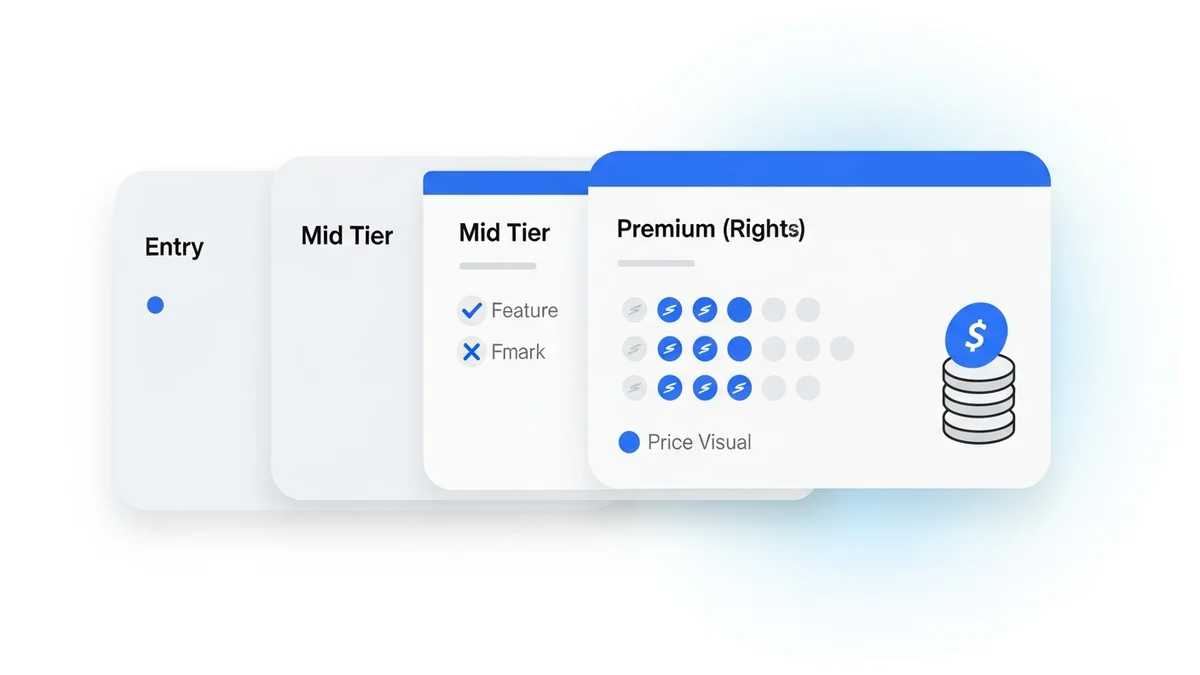
AI Studios offers tiered pricing. Based on published data and industry benchmarks, here is a realistic breakdown:
| Plan | Monthly Price | Best For | Key Limits |
|---|---|---|---|
| Free / Starter | $0 | Testing features, personal projects | Watermarked output, limited export minutes |
| Personal | ~$24–$30/month | Solo creators, YouTubers | Limited avatar access, 10–15 min video/month |
| Team / Business | ~$75–$150/month | Agencies, freelancers, SMBs | More exports, custom avatar uploads, collaboration |
| Enterprise | Typically $500+/month | Large organizations, API access, white-label | Custom SLAs, dedicated support, API integration |
For freelancers running AI video services, the Team plan typically pays for itself with a single client project. A 1-minute explainer video produced with AI Studios can be sold for $50–$200, a product promo for $75–$300, and multilingual localization work for $150–$500 per video.
Who Should Use DeepBrain AI — and Who Shouldn't
Ideal Use Cases
- Corporate training teams — Produce consistent onboarding videos at scale without booking studio time
- Marketing agencies — Localize campaign videos for international markets using the 150+ language dubbing
- YouTube creators (faceless channels) — Build passive income channels without on-camera presence; one documented creator reached $4,500/month in ad revenue within six months using AI-generated avatar videos
- Freelancers — Offer explainer video services on Fiverr or Upwork using AI Studios' templates for fast turnaround
- Real estate agencies — Generate property walkthrough narrations at scale
When to Consider Alternatives
- If your primary need is cinematic, unstructured video generation (not avatar-based), Runway Gen 4.5 or Luma Dream Machine may produce more visually striking results for creative projects
- If you need short-form social content with heavy motion effects, Pika Labs is faster and cheaper for that specific use case
- If your budget is extremely limited and you only need basic talking-head videos, D-ID offers a lower entry price
Common Mistakes When Using DeepBrain AI
Mistake 1: Using the Wrong Avatar for the Audience
With 2,000+ avatars available, many users default to the first result or pick based on aesthetics alone. A corporate compliance training video using a casual, youthful avatar undermines trust. A medical information video using an avatar dressed in business casual instead of clinical attire loses credibility. Match avatar style, age range, and presentation to your specific audience before producing at scale.
Mistake 2: Skipping the Localization Quality Check
AI dubbing across 150 languages is powerful, but not all languages receive equal model training. Outputs in widely-spoken languages (English, Spanish, French, German, Mandarin) are reliably accurate. Outputs in less common languages should always be reviewed by a native speaker before client delivery. Skipping this step on a client project is a fast way to lose the account.
Mistake 3: Treating Templates as Final Outputs
The 7,000+ templates are starting points, not finished products. Many new users export template-based videos with minimal customization — the same avatars, same color schemes, same background music. Clients and YouTube audiences recognize template content quickly. Spend time customizing brand colors, swapping in client logos, adjusting the avatar wardrobe options, and writing original scripts rather than using generic placeholder copy.
Mistake 4: Ignoring the Model Selection
AI Studios integrates multiple video generation models (Sora 2.1 Pro, Veo 3.1, Kling 2.6). New users often leave the default model selected without testing alternatives. For photorealistic product demos, Veo 3.1 frequently outperforms others. For stylized or motion-heavy content, Kling 2.6 may produce better results. Run a 30-second test clip on two or three models before committing to a full production run — the output quality difference can be substantial.
Mistake 5: Underpricing Multilingual Work
Freelancers frequently charge per-video rates without accounting for the premium value of multilingual localization. A single-language explainer at $100 is reasonable. The same video localized into 10 languages should be priced at $800–$1,500 minimum, reflecting the time savings you've delivered versus traditional dubbing studios. Underpricing this service trains clients to expect it cheaply and leaves significant revenue on the table.
DeepBrain AI vs. Key Competitors — Quick Comparison
| Feature | DeepBrain AI | HeyGen | Synthesia | D-ID |
|---|---|---|---|---|
| Avatar Library | 2,000+ | ~300+ | ~230+ | Photo-based |
| Languages | 150+ | 175+ | 140+ | ~80+ |
| Multi-model access (Sora, Veo, Kling) | Yes | No | No | No |
| Interactive/Conversational Avatar | Yes (LLM-compatible) | Limited | No | Limited |
| Deepfake Detection | Yes | No | No | No |
| Starting Price | ~$24/month | ~$29/month | ~$29/month | ~$5.9/month |
Final Verdict: Is DeepBrain AI Worth It in 2026?
For users who need more than a single-purpose avatar video tool, DeepBrain AI delivers genuine platform depth. The combination of 2,000+ avatars, 150+ language dubbing, integrated access to top generative video models like Sora 2 and Google Veo 3.1, interactive avatar capabilities, and deepfake detection is unmatched in a single subscription.
The platform is especially well-suited for agencies, corporate content teams, and freelancers building AI video service businesses. The documented income potential — $4,500/month from faceless YouTube channels, $2,500 from single localization projects — reflects real results that users are achieving with these tools in 2026.
Where DeepBrain AI is not the best fit is for purely cinematic, non-avatar video generation. In those cases, dedicated tools built specifically around model output quality will produce better results. But for structured, scalable, multilingual video content production, DeepBrain AI is among the most complete platforms available today.