
What Is Kling AI? A 2026 Market Overview
Kling AI is an advanced AI video generation platform developed by Kuaishou Technology, one of China's largest interactive media companies. Launched in June 2024, it has grown to over 6 million global users and has positioned itself as a direct competitor to Sora 2 and Google Veo 3.1 in the high-quality cinematic video generation space.
The platform has evolved rapidly — from the original 2024 release through Kling 2.0, 2.1, 2.5 Turbo, and now the unified Kling 3.0 series. Each iteration has added meaningful capabilities: better physics simulation, native audio, lip-sync, and multi-shot sequencing. What started as a text-to-video curiosity is now a production-capable tool used by social media creators, marketers, and filmmakers.
The core differentiator: Kling AI uses a Diffusion-Convolutional Neural Network architecture combined with a 3D Spatiotemporal Joint Attention Mechanism. In plain terms, this means the model understands how objects move through space over time — which is why its physics and motion quality consistently outperform simpler animation tools like Pika Labs on complex scenes.
Kling AI Key Features Breakdown
Text-to-Video and Image-to-Video Generation
Kling AI supports two primary creation workflows. Text-to-Video lets you describe a scene in natural language and receive a cinematic clip. The latest Kling 3.0 model generates up to 15-second continuous clips with dynamic pacing and multi-shot sequencing from a single prompt.
Image-to-Video is where Kling genuinely stands out. You can upload a static image as a start frame, specify an end frame, and Kling animates a coherent transition between them. This is more precise than purely prompt-driven tools and gives creators reliable control over the visual outcome.
Elements System — 4-Image Character Consistency
One of Kling's most practical features for professional use is the Elements system, which allows you to combine up to 4 reference images to maintain character consistency across generated videos. Character consistency has historically been AI video generation's biggest failure point. Kling's approach directly addresses this, making it significantly more useful for branded content, character-driven stories, or recurring video series compared to tools like Luma Dream Machine.
Advanced Camera Controls
Kling 2.1 Pro and Master models include professional-grade camera controls: pan, tilt, roll, zoom, and spatio-temporal precision for cinematic movements. Kling 3.0 adds an "AI Director" mode that automatically selects effective cuts, angles, and shot orders to create storyboard-style outputs without manual editing. For creators used to working with Runway Gen 4.5, this level of camera control will feel familiar — though Kling's implementation leans more toward automatic direction than manual keyframing.
Native Audio, Sound Effects, and Lip-Sync
Kling 3.0's integrated audio pipeline generates dialogue, ambient sound, sound effects, and music directly within the video generation process — including lip synchronization in multiple languages. This eliminates the need for separate post-production audio work, a significant workflow advantage. For avatar-based content, this positions Kling as a budget alternative to HeyGen or D-ID for simple use cases, though those platforms still lead on enterprise-grade lip-sync fidelity.
Model Tiers and Resolution
| Model | Resolution | Best For | Key Strength |
|---|---|---|---|
| Kling 2.1 Standard | 720p | Social media drafts, cost-efficient projects | Fast generation, lowest credit cost |
| Kling 2.1 Pro | 1080p | Marketing videos, professional content | Enhanced visual fidelity, camera control |
| Kling 2.1 Master | 1080p | Cinematic productions, high-end creative | Advanced physics simulation, sound effects |
| Kling 3.0 | 1080p / 48 FPS | Unified cinematic + audio workflows | 15s clips, multi-shot, lip-sync, AI Director |
| Kling 2.5 Turbo | 1080p | High-volume production with speed priority | 40% faster generation vs. standard models |
Kling AI Pros and Cons
The Pros
- Exceptional image-to-video quality: Kling's frame-based generation — specifying start and end frames — produces more controllable and visually coherent output than many text-only competitors. Real-world physics adherence is among the best in the market.
- Character consistency via Elements: The 4-image reference system directly solves one of AI video's hardest problems. For creators producing recurring content with the same characters, this alone justifies choosing Kling over alternatives.
- Affordable entry pricing: Starting at $6.99/month, Kling offers a free plan and paid tiers that are accessible to independent creators — significantly cheaper than enterprise-tier tools.
- Multi-platform aspect ratios built-in: Native support for 9:16 (TikTok/Reels), 16:9 (YouTube), and 1:1 (Instagram) without manual resizing steps is a genuine time-saver for social content workflows.
- Integrated audio pipeline: Kling 3.0's native sound effects, ambient audio, and multi-language lip-sync eliminate a post-production step that most competitors require you to handle separately.
- Rapid iteration and model updates: The jump from 2024 launch to Kling 3.0 within roughly 18 months shows a fast development cadence. Features like the 2.5 Turbo (40% faster generation) have been added incrementally rather than held for major releases.
- 6 million+ global users: Substantial community size means more tutorials, prompt libraries, and shared workflows to draw from.
Newsletter
Get the latest SaaS reviews in your inbox
By subscribing, you agree to receive email updates. Unsubscribe any time. Privacy policy.
The Cons
- Non-existent customer support: This is the most frequently cited professional concern. If a generation fails or produces unusable output, there is no reliable support channel to escalate to. For client work with deadlines, this is a serious operational risk.
- No refunds for failed generations: Credits are consumed even when the output is unusable. Combined with no customer support, this creates a real financial risk at scale — particularly for high-volume users running Master or Pro tier generations.
- Expiring paid credits: Purchased credits have expiration dates. For creators with irregular workflows or seasonal projects, unused credits can be lost — a policy that adds hidden cost to the apparent pricing.
- 5–10 second generation limit per clip: While video extension features exist to chain clips, the base generation window is short. For longer-form content, this requires workflow management that adds friction compared to tools designed for longer outputs.
- Chinese platform trust considerations: As a Kuaishou product, some enterprise buyers in regulated industries have data privacy concerns about using the platform for sensitive branded content or proprietary assets. This is a business risk assessment each team needs to make independently.
- Generation speed inconsistency: Despite the 2.5 Turbo's 40% speed improvement, queue times on the platform can be inconsistent during peak periods, which conflicts with fixed-deadline professional workflows.
Kling AI Pricing in 2026
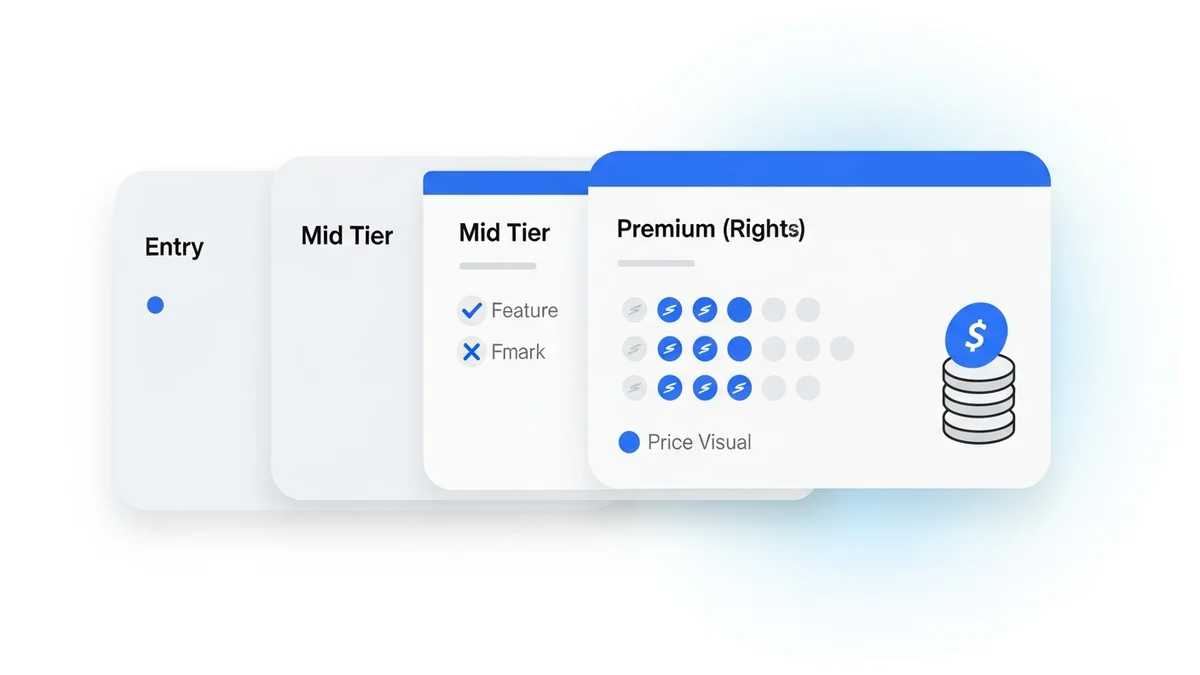
| Plan | Price | Monthly Credits | Best For |
|---|---|---|---|
| Free | $0/month | Limited daily credits | Evaluation, casual experimentation |
| Starter | From $6.99/month | Standard credit allocation | Solo creators, low-volume social content |
| Pro | Mid-tier (check klingai.com for current rates) | Higher credit allocation, 1080p access | Regular content creators, marketers |
| Master / High-Volume | Higher tier | Priority queue, full model access | Agencies, high-frequency production |
The $6.99/month entry point makes Kling one of the most accessible high-quality video generators available. However, budget planning must account for credit expiry — calculate your monthly usage before committing to annual plans.
Who Should Use Kling AI (And Who Shouldn't)
Kling AI Is the Right Choice If:
- You produce character-focused animation and need frame-to-frame consistency — the Elements system is purpose-built for this.
- You're a social media creator who needs fast 9:16 content with built-in audio for TikTok or Instagram Reels.
- You're budget-conscious but unwilling to sacrifice cinematic quality — Kling delivers output that rivals much more expensive tools.
- You need image-to-video animation of product shots, artwork, or photographs with realistic motion.
- You're building a short-form ad or marketing clip where the AI Director's automatic shot sequencing can speed up production.
Consider Alternatives If:
- You're doing client work with fixed delivery deadlines — the lack of reliable support and inconsistent queue times are genuine risks. Runway Gen 4.5 offers more professional infrastructure for agency use.
- You need enterprise-grade avatar lip-sync for training or corporate videos — Synthesia or HeyGen are purpose-built for this and include SLA-backed support.
- Your credits will expire unused — restructure your volume or choose a platform with non-expiring credits.
- You require data residency or privacy guarantees for brand assets — evaluate your legal obligations before uploading proprietary content.
Common Mistakes When Using Kling AI
Mistake 1: Using Only Text Prompts When Images Are Available
Kling's strongest capability is image-to-video, not text-to-video. Creators who write text prompts for scenes they could animate from a reference image consistently get lower-quality, less predictable output. If you have a product shot, character illustration, or even a rough sketch — use it as a start frame. The output will be more faithful to your intent and require fewer regeneration attempts.
Mistake 2: Buying Large Credit Bundles Without Checking Expiry Dates
Multiple users have reported losing substantial credit balances because they purchased large bundles during promotional periods without realising the expiry terms. Before purchasing any paid tier, confirm the credit expiry policy and estimate your realistic monthly generation volume. If you generate 20 clips per month, don't buy a bundle that assumes 100.
Mistake 3: Using Standard Tier for Client-Deliverable Content
The 720p Standard tier is appropriate for drafts and social previews, but delivering 720p video as a final client asset in 2026 is professionally risky. Use Pro or Master tiers for anything going to a client or being published to a branded channel — the visual fidelity difference is significant enough to affect perception of your work.
Mistake 4: Ignoring the Elements System for Series Content
Creators building video series or branded content with recurring characters often use separate generations per episode and then complain about visual inconsistency between clips. The 4-image Elements system was specifically designed to prevent this. Set up your character reference images once and use them consistently across every generation in the series.
Mistake 5: Treating Kling as a Direct Replacement for Dedicated Avatar Platforms
Kling's lip-sync and avatar capabilities are impressive for a general-purpose tool, but they're not a direct replacement for D-ID or HeyGen for high-stakes corporate or training video production. For scripts requiring precise lip accuracy across many languages at scale, use a dedicated avatar platform. Use Kling where its physics simulation and cinematic motion quality are the priority.
Final Verdict: Is Kling AI Worth It in 2026?
Kling AI earns its 4.5-star reputation for technical capability. The combination of physics-accurate motion, the Elements character consistency system, native audio in Kling 3.0, and a starting price of $6.99/month makes it genuinely compelling for independent creators and small teams. For cinematic quality at accessible pricing, it directly challenges Sora 2 and Google Veo 3.1 at a fraction of the enterprise cost.
The operational risks — no customer support, expiring credits, no refunds for failures — are real and not minor. They don't disqualify Kling for most use cases, but they do mean you should not build a client-deadline workflow that depends entirely on it without a backup plan. Use it for the things it does exceptionally well: image animation, character-consistent series content, and fast cinematic social clips. Avoid it as a sole platform for regulated industries or high-stakes client deliverables.
For most creators reading this: start on the free plan, test it against your specific use case, and scale up only after you've validated the output quality meets your standards. At $6.99/month to start, the risk of trying it is low.