
Is HeyGen Worth It in 2026? The Honest Answer
HeyGen has become one of the most recognized names in AI avatar video generation — but recognition does not automatically mean it is the right tool for you. After reviewing its workflow, pricing structure, avatar quality, and production limitations in 2026, the answer to "is HeyGen worth it?" depends on one specific question: are you producing structured, repeatable, presenter-style videos at scale?
If yes, HeyGen is one of the strongest platforms available. If you need cinematic creativity, dynamic motion, or open-ended visual storytelling, you will likely hit its walls fast. This guide breaks down exactly where HeyGen earns its price — and where it does not.
Strategic Overview: Where HeyGen Sits in the 2026 AI Video Market
The AI video landscape in 2026 has split into two distinct camps: creative video generators focused on cinematic output (like Runway Gen 4.5, Google Veo 3.1, and Sora 2) and communication-focused platforms built around structured, avatar-driven delivery.
HeyGen firmly occupies the second camp. It is engineered for operational scalability, not artistic expression. Its design intentionally constrains avatar motion, scene framing, and layout to deliver consistent, repeatable output across teams, departments, and time zones.
The primary use cases where HeyGen is most frequently deployed in 2026 include:
- Internal training and employee onboarding
- Multilingual marketing communication across global markets
- Product walkthroughs and explainer videos
- Standardized corporate announcements
- Localized content without repeated filming
Understanding this positioning is critical before you evaluate pricing. HeyGen is not competing with Luma Dream Machine or Pika Labs — it is competing with traditional video production workflows and human-hosted corporate content pipelines.
HeyGen Pricing: What You Actually Get at Each Tier
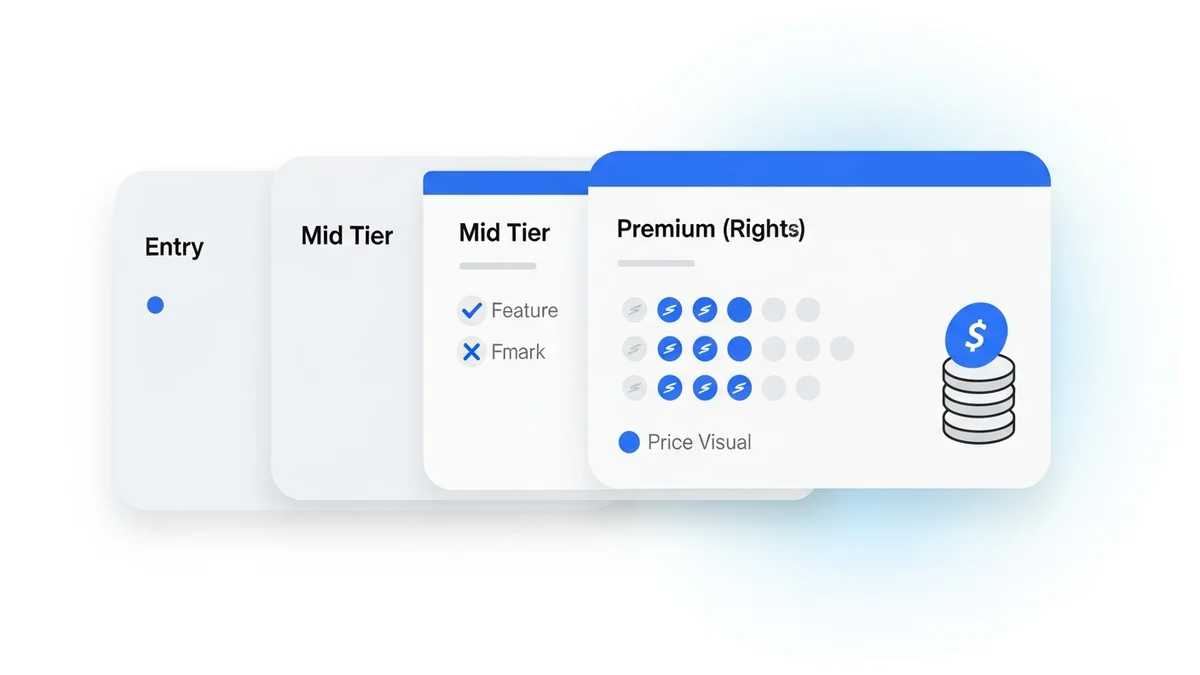
HeyGen's pricing structure is straightforward, but the jump between tiers is significant. Here is a full breakdown of what each plan delivers:
| Plan | Price | Video Limit | Export Quality | Key Features |
|---|---|---|---|---|
| Free | $0/month | 3 videos/month | 720p | Basic avatars, limited languages, watermarked output |
| Creator | $29/month | Unlimited | 1080p | Voice cloning, 175+ languages, 1000+ stock avatars, brand kit |
| Team | $39/seat/month | Unlimited | 4K | Faster processing, custom avatars, collaboration tools, multi-seat access |
| Enterprise | Typically $500+/month | Unlimited | 4K + API | Custom workflows, API integration, dedicated support, SSO |
The Creator plan at $29/month is the first tier worth serious consideration. It unlocks the features that make HeyGen genuinely useful: unlimited video creation, 1080p output, voice cloning, and access to 175+ languages. The free plan's 3-video cap and 720p ceiling make it useful only for testing the interface before committing.
The Team plan at $39/seat/month becomes necessary when you need 4K exports, faster rendering queues, or custom avatar creation for brand consistency. For teams producing more than 20 videos per month with strict deadlines, the processing speed upgrade alone justifies the cost difference.
What HeyGen Does Exceptionally Well
Multilingual Scalability Without Re-Filming
HeyGen's multilingual engine is one of its most commercially valuable features. A single source video can be translated into 175+ languages while preserving the avatar's appearance, lip-sync, and layout. For global teams that previously needed separate filming sessions or external localization vendors for each market, this represents a genuine workflow transformation.
Newsletter
Get the latest SaaS reviews in your inbox
By subscribing, you agree to receive email updates. Unsubscribe any time. Privacy policy.
A company targeting five markets — English, Spanish, French, German, and Japanese — can produce all five versions from a single script at the Creator tier, rather than coordinating five separate production runs.
Consistent Output Across Large Teams
One of the underappreciated advantages of HeyGen's constrained design is quality consistency. Because avatar framing, motion behavior, and visual layouts are intentionally fixed, videos produced by different team members look and feel the same. There is no quality drift between departments, no inconsistent branding, and no variation in pacing or style.
For enterprise environments where dozens of people are creating training or communications content, this consistency has real business value.
Voice Cloning for Brand Continuity
The Creator plan includes voice cloning, which allows teams to maintain the same vocal tone, pacing, and delivery style across every video — even when the underlying script changes. This is particularly valuable for product update videos, where the audience benefits from recognizing a consistent presenter voice.
Avatar Realism for Instructional Content
For training videos, onboarding flows, and product explainers, HeyGen's stock avatars are professionally lit, well-framed, and visually stable. Custom motion-driven avatars improve on this further with better facial timing and gesture continuity. The realism level is sufficient for instructional credibility, even if it does not reach the naturalness of live-action footage.
HeyGen's Real Limitations (With Specific Examples)
Rendering Speed Under Load
This is HeyGen's most operationally painful limitation for high-volume users. At peak usage times, a single video can take anywhere from 10 to 60 minutes to render. If you are producing 10 videos per day on tight deadlines, queue delays can compress your entire production schedule. The Team plan reduces this with priority processing, but it does not eliminate the bottleneck entirely.
If you are building a daily content operation — for example, producing fresh product videos for an e-commerce catalog — the rendering variability becomes a genuine workflow risk rather than a minor inconvenience.
Avatar Motion Is Preset, Not Customizable
HeyGen's avatar gestures, expressions, and movements are driven by preset behaviors. You cannot choreograph specific hand movements, create custom full-body animations, or design cinematic camera transitions. Scenes remain static and controlled.
A concrete example: if you want an avatar to point at a product on screen at a specific moment in the script, you cannot reliably time that gesture. The motion system prioritizes consistency over precision. For explainer videos this is acceptable; for product demos where timing matters, it is a real constraint.
Emotional Range Is Narrow
HeyGen avatars convey neutral professionalism well, but their emotional range is limited. You cannot reliably produce content that requires humor, empathy, excitement, or urgency in the avatar's delivery. The lip-sync and micro-expression system is optimized for informational delivery, not persuasive or emotionally resonant communication.
For sales-focused video content where emotional connection drives conversion, this limitation reduces effectiveness compared to live-action alternatives.
Common Mistakes Teams Make With HeyGen
Mistake 1: Using the Free Plan for Production Decisions
Teams frequently test HeyGen on the free plan, encounter the 720p output and 3-video limit, and conclude the platform is not worth it. The free plan is genuinely not representative of HeyGen's production capabilities. The Creator plan at $29/month is the actual baseline product. Evaluate HeyGen at that tier, not the free tier.
Mistake 2: Writing Scripts Designed for Human Narrators
AI avatar narration performs best with short, conversational sentences and natural pauses. Scripts written for human presenters — with complex nested clauses, long run-on sentences, or irregular phrasing — cause pronunciation errors and rushed delivery in the AI output. The fix is simple: write shorter sentences, insert natural pauses using ellipses or line breaks, and add phonetic hints for technical terminology.
Mistake 3: Choosing HeyGen for Cinematic or Creative Projects
Teams sometimes select HeyGen because its avatar quality looks impressive in demos, then attempt to use it for brand campaign videos or emotionally driven storytelling content. The platform is not designed for this. For creative, cinematic, or expressively driven video content, tools like Runway Gen 4.5 or Sora 2 are the correct choices. Mismatching the tool to the use case produces mediocre results and wasted budget.
Mistake 4: Underestimating Translation Review Requirements
HeyGen's multilingual translation is fast and scalable, but it is not perfect. Translated videos — especially for languages with very different grammatical structures — sometimes have timing mismatches between lip-sync and audio, or produce unnatural phrasing in the target language. Teams that ship translated videos without a native-speaker review step risk releasing content with credibility issues in international markets.
HeyGen vs. Key Alternatives: When to Choose Something Else
HeyGen vs. Synthesia
Synthesia is HeyGen's closest direct competitor. Both platforms focus on avatar-driven, presenter-style video production. Synthesia is generally preferred for enterprise compliance environments (stricter data handling, deeper SSO integration), while HeyGen has an edge in translation speed and voice cloning flexibility. For most teams under 50 seats, the choice between the two comes down to avatar aesthetics and interface preference rather than capability gaps.
HeyGen vs. D-ID
D-ID specializes in photo-to-video animation and talking portrait generation rather than full presenter workflows. If your primary need is animating still images or creating personalized talking-head videos from photos, D-ID is a stronger fit. HeyGen is better for structured, scripted multi-avatar productions with brand consistency requirements.
HeyGen vs. Creative Generators
For purely visual, cinematic content — product footage, brand films, generative scenes — HeyGen is the wrong category entirely. Tools like Runway Gen 4.5, Google Veo 3.1, and Sora 2 operate in a fundamentally different mode. They do not use avatars; they generate full video scenes from prompts. These tools do not replace HeyGen for communication workflows, and HeyGen does not replace them for creative production.
Final Verdict: Is HeyGen Worth It?
HeyGen at the Creator tier ($29/month) delivers clear, measurable value for teams producing structured, repeatable video content — particularly training materials, onboarding flows, product explainers, and multilingual corporate communications. The combination of unlimited video creation, 175+ language translation, voice cloning, and 1080p export at that price point is genuinely competitive in 2026.
The Team tier ($39/seat/month) earns its cost when 4K output, custom avatars, or multi-seat collaboration are operational requirements. At that level, HeyGen competes favorably against the cost of traditional video production for standardized content types.
HeyGen is not worth it for teams that need cinematic flexibility, emotionally expressive delivery, custom avatar animation, or creative visual storytelling. The platform is built for a specific job, and it does that job well. The mistake is buying it for a different job entirely.
If your workflow maps to structured, scalable, multilingual presenter-style video production, HeyGen in 2026 remains one of the best tools for the task. Start with the Creator plan, test your highest-volume use case, and upgrade to Team only when rendering speed or 4K output becomes a bottleneck.