Is Kling AI Worth It in 2026? The Honest Answer
Kling AI has gone from a curious Chinese alternative to one of the most-used AI video generators on the planet. With over 6 million creators globally and a rapidly evolving model lineup now reaching Kling 3.0, it sits in a genuinely competitive tier alongside tools like Google Veo 3.1 and Runway Gen 4.5. But impressive tech and a growing user base don't automatically mean it's the right tool for your workflow.
This guide cuts through the hype. We'll look at what Kling AI actually does well, where it fails, who should use it, and whether the pricing makes sense for your specific use case — all grounded in real data and hands-on benchmarks from 2026.
What Kling AI Is (And Why It Grew So Fast)
Kling AI is a video generation platform developed by Kuaishou Technology, one of China's largest short-video companies. Launched in June 2024, it reached 6 million users in under two years — faster than most Western competitors managed in their first three.
The reason for that growth isn't marketing. It's the technology. Kling uses a Diffusion-Convolutional Neural Network architecture combined with a 3D Spatiotemporal Joint Attention Mechanism, which means it understands motion across both time and space simultaneously. The practical result: videos that respect physics, maintain consistent lighting, and handle complex movement far better than first-generation AI video tools.
The platform now supports three core generation modes:
- Text-to-Video: Describe a scene in natural language, get a video clip
- Image-to-Video: Animate static images, photos, or illustrations with realistic motion
- Elements (4-image system): Combine up to 4 reference images to maintain character consistency across multiple videos — Kling's most distinctive capability
The newest release, Kling 3.0, added multi-shot generation (multiple camera angles in a single 15-second clip), native audio generation, and improved digital clone creation. These aren't incremental updates — multi-shot alone eliminates the need for separate frame-stitching workflows that creators were previously building in third-party tools.
Kling AI Pricing: What You Actually Pay
Kling AI is priced more accessibly than most competitors at the entry level, but the credit system introduces risks that affect real-world cost calculations.
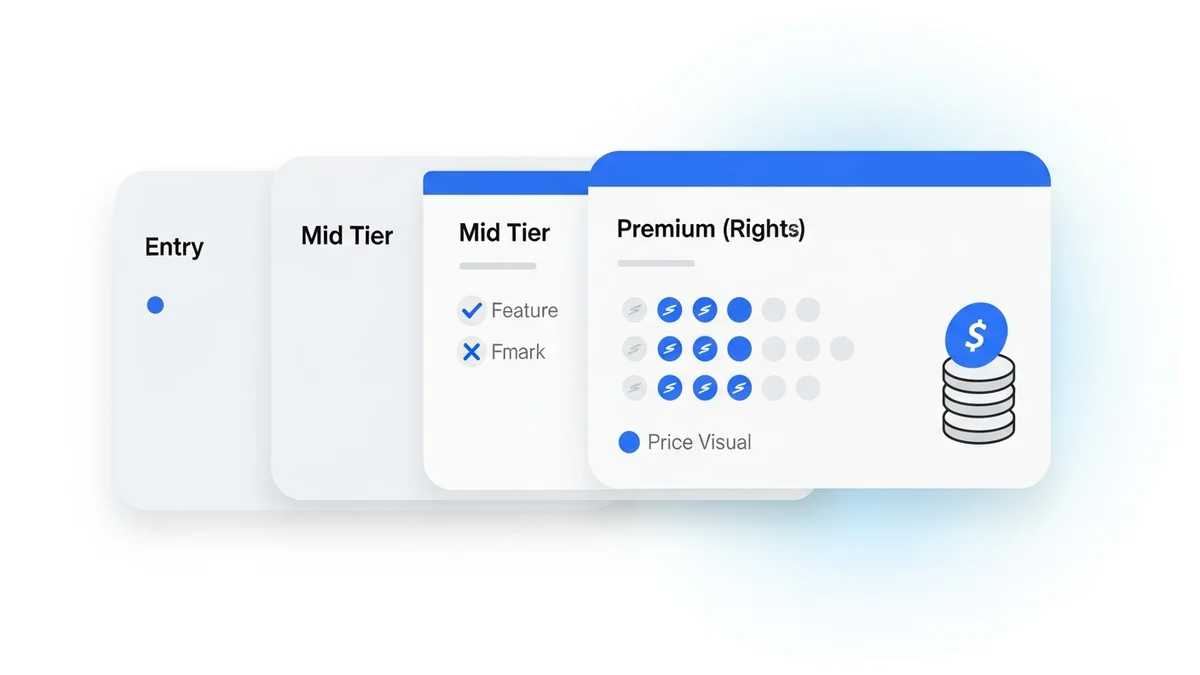
| Plan | Monthly Price | Credits | Best For |
|---|---|---|---|
| Free | $0 | Limited daily credits | Testing quality before committing |
| Starter | $6.99/month | ~660 credits/month | Hobbyists, low-volume social media |
| Standard | $15.99/month | ~3,000 credits/month | Regular content creators |
| Pro | $49.99/month | ~8,000 credits/month | High-volume production, agencies |
Critical caveat: Credits expire at the end of each billing cycle. Unused credits do not roll over. If you generate fewer videos than expected in a given month, you lose those credits — there are no refunds, and failed generations are not automatically re-credited. This is a meaningful business risk that needs to factor into your cost calculation, especially if your workload is uneven month-to-month.
For comparison, Runway Gen 4.5 starts at $12/month but offers more flexible credit handling, while Pika Labs has a similarly low entry price with different credit structures.
What Kling AI Does Better Than Competitors
Character Consistency Across Videos
The Elements system is legitimately the best solution to character consistency available at this price point. By feeding up to 4 reference images of a character, product, or scene, Kling locks those visual anchors into the generation process. You can create a custom character once and reuse them across an entire video series without the drift and variation that plague other generators.
Newsletter
Get the latest SaaS reviews in your inbox
By subscribing, you agree to receive email updates. Unsubscribe any time. Privacy policy.
This was a critical unsolved problem in AI video production. Tools like Luma Dream Machine produce excellent single clips but struggle to maintain visual identity across a project. Kling's Elements feature directly addresses this, making it the better choice for any project requiring recognizable characters — ads, branded content, episodic series.
Camera Control and Cinematic Quality
Kling offers professional camera controls — panning, tracking shots, dolly movements, and zoom — that translate abstract creative intent into actual camera behavior. At 1080p and up to 48 FPS for extended 3-minute videos, the output quality is genuinely cinematic rather than the choppy, low-resolution clips that defined first-generation tools.
The Kling 2.5 Turbo model delivers 40% faster generation than its predecessor without sacrificing quality at standard settings, which is meaningful when you're iterating through multiple prompt variations.
Multi-Shot Generation (Kling 3.0)
The multi-shot feature in Kling 3.0 is a workflow revolution for filmmakers and content producers. Instead of generating each camera angle as a separate clip and manually stitching them together, you can write individual prompts for each shot and generate a complete multi-angle sequence in one pass. A 15-second clip can now contain multiple distinct camera positions — something that previously required external tools and significant post-production time.
Where Kling AI Falls Short
Customer Support Is Essentially Nonexistent
This is the biggest practical issue with Kling AI for professional use. When things go wrong — a generation fails, credits disappear, or you're billed incorrectly — there is no reliable support channel. The company is China-based and the support infrastructure for Western users is minimal. Multiple users report days or weeks without responses on support tickets.
If you're producing client work with fixed delivery deadlines, this is a disqualifying problem. A failed generation with no support path and expiring credits can mean a missed deadline with no recourse.
No Refunds for Failed Generations
When Kling fails to generate a video — whether due to server issues, prompt rejection, or unexplained errors — credits are consumed regardless. There is no automatic retry credit system. This is particularly problematic given the platform's popularity means server load can be high during peak hours, increasing failure rates precisely when demand is greatest.
Credit Expiry Creates Artificial Urgency
Monthly credit expiry forces you to either use all credits within the billing period or lose value you've paid for. This creates pressure to generate content even when you don't have genuine creative need — a backwards workflow that prioritizes burning credits over producing quality work. For agencies or freelancers with variable client workloads, this model is genuinely inefficient.
Common Mistakes When Using Kling AI
Mistake 1: Using Vague Text Prompts
New users frequently write prompts like "a person walking in a city" and are disappointed with generic results. Kling's Visual Language Model extracts precise visual features from prompts — the more specific you are about lighting, camera angle, mood, and motion, the dramatically better the output. "A woman in a red coat walking through rain-slicked Tokyo streets at night, tracking shot, neon reflections, cinematic" will produce vastly superior results to the vague alternative.
Mistake 2: Ignoring the Elements System for Character Work
Users building character-driven content who aren't using the Elements system are leaving Kling's biggest advantage on the table. Setting up your character reference images once at the start of a project takes 10 minutes and saves hours of iterative regeneration trying to maintain consistent appearance across clips.
Mistake 3: Choosing Pro or Standard Plans for Sporadic Use
Because credits expire monthly, subscribing to a high-tier plan when your video production schedule is irregular means consistently losing credits. If you produce videos in intense bursts followed by slower periods, consider downgrading during light months rather than maintaining a high-tier subscription that goes underutilized.
Mistake 4: Using Kling for Avatar/Presenter Videos
Kling excels at environmental and cinematic content, but if your use case is AI presenters or talking-head videos for corporate training or explainers, purpose-built avatar tools are significantly better choices. HeyGen and Synthesia are specifically engineered for presenter video with lip-sync accuracy and avatar libraries that Kling doesn't match.
Kling AI vs. Key Competitors: At a Glance
| Tool | Starting Price | Max Resolution | Character Consistency | Best Use Case |
|---|---|---|---|---|
| Kling AI | $6.99/month | 1080p / 48 FPS | Excellent (Elements) | Cinematic content, brand videos |
| Runway Gen 4.5 | $12/month | 1080p | Good | Professional video production |
| Google Veo 3.1 | $20/month (via Gemini) | 1080p | Moderate | High-realism environments |
| Pika Labs | $8/month | 1080p | Moderate | Short social clips, effects |
| HeyGen | $29/month | 1080p | Excellent (avatars) | AI presenter videos |
The Verdict: Who Should Use Kling AI (And Who Shouldn't)
Kling AI earns its 4.5/5 rating for technical capability. The quality-to-price ratio at the $6.99–$15.99 tier is exceptional, and no other tool at this price point matches its character consistency or cinematic camera control. Kling 3.0's multi-shot generation and native audio make it a genuinely complete production tool for independent creators.
Kling AI is worth it if you are:
- A social media creator producing regular branded or character-driven content
- A filmmaker or video producer experimenting with AI-assisted pre-visualization
- A marketing team creating product videos, animated ads, or visual storytelling content
- Budget-conscious and need maximum quality per dollar spent
Kling AI is not worth it if you are:
- Delivering client work under tight, fixed deadlines where a support escalation path is non-negotiable
- Running enterprise-scale production that requires contractual SLAs and refund policies
- Primarily producing talking-head, presenter, or training videos (use Synthesia or HeyGen instead)
- Working with highly irregular production schedules that would leave monthly credits wasted
The business risks — no support, no refunds, expiring credits — are real and should be weighted honestly. But for the right use case, Kling AI is currently one of the most capable and affordable AI video tools available in 2026. Start with the free plan, validate the quality for your specific content type, and upgrade only once you've confirmed the workflow fits your production rhythm.