
What Is Kling AI?
Kling AI is an AI-powered video generation platform developed by Kuaishou Technology, a major Chinese tech company. Launched in June 2024, it has grown to over 6 million users globally, making it one of the fastest-adopted tools in the AI video space. The platform converts text prompts and static images into cinematic-quality video clips at up to 1080p resolution and 48 FPS, with clips extending up to 3 minutes in length.
What sets Kling apart technically is its Diffusion-Convolutional Neural Network architecture combined with a 3D Spatiotemporal Joint Attention Mechanism. In plain terms, this means the model processes motion across both time and space simultaneously — so physics, lighting, and spatial relationships stay coherent across frames. A Visual Language Model text encoder translates your written prompts into precise visual outputs, rather than generic approximations.
If you've tested tools like Luma Dream Machine or Pika Labs, you'll notice Kling competes squarely in the same tier — but with a stronger emphasis on character consistency and camera control. The latest model, Kling 2.5 Turbo, delivers generation speeds approximately 40% faster than its predecessor.
Core Features: What You Actually Get
Text-to-Video Generation
Kling's text-to-video mode processes natural language prompts through its Visual Language Model encoder. You describe a scene — lighting, motion, mood, subject behavior — and the platform renders it as a video clip. The model handles complex scene descriptions reasonably well, including abstract motion instructions like "camera slowly pulls back as the subject looks over her shoulder."
Image-to-Video Animation
Upload a static image and Kling animates it with realistic motion. This works for photographs, digital art, product shots, and illustrated characters. You can specify start and end frame states, add camera movement paths, apply facial expressions, or enable lip sync for portrait animations. This is one of the more practical features for product demo creators and social media teams.
Elements System (4-Image Character Consistency)
This is Kling's most distinctive technical feature. The Elements system lets you upload up to 4 reference images to define a character's appearance — face, clothing, body type, accessories. The model then maintains that character's visual identity across multiple generated video clips. Character drift across scenes is one of the most persistent problems in AI video generation, and Kling's Elements system directly addresses it. This makes it significantly more useful than tools that can't sustain consistent subjects across cuts.
Professional Camera Controls
Kling includes explicit camera movement options — dolly, pan, tilt, orbit, push-in, pull-back — that you can apply to generated scenes. Most AI video tools offer implicit camera behavior through text prompts alone, which produces inconsistent results. Kling's dedicated camera controls give creators more reliable output for cinematic sequences.
Text-to-Audio and Lip Sync
Type a script and generate AI voice narration directly in the platform. Combined with the image animation tools, this enables short talking-head style videos without a camera or recording setup. Different tones and languages are supported, though audio quality sits at a functional rather than broadcast level.
Special Effects and Developer API
Special effects include motion blur, background replacement, and lighting modifications applied post-generation. For developers, Kling exposes an API for integrating video generation, face modeling, and virtual try-on features into external applications — a useful differentiator for teams building AI-powered product tools.
Mobile Access
Kling is available as a browser-based platform and as an official mobile app. The browser version requires no installation and provides access to all features after login. An official Android APK is also available. Unofficial "mod APK" versions circulate online but are not supported and carry genuine security risks — worth flagging explicitly if you're sharing access with a team.
Kling AI Pricing: All Plans Explained
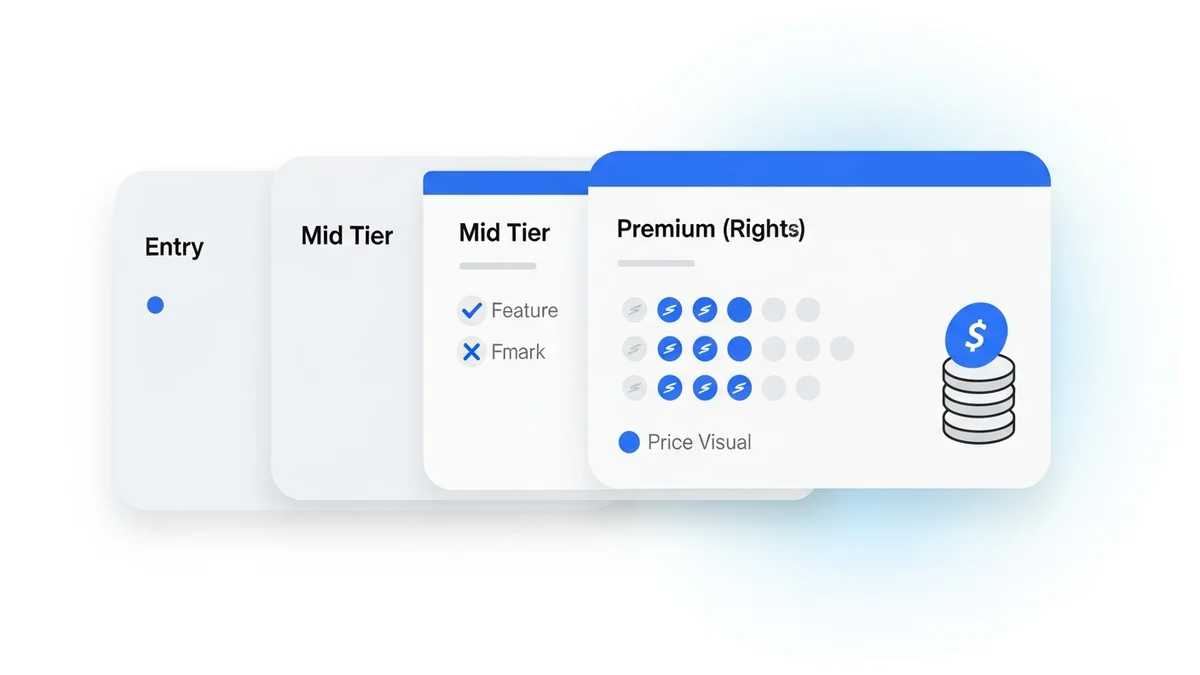
Kling operates on a credit-based system. Credits are consumed based on the complexity and length of the content generated. Note that new users no longer receive the legacy daily free credits — that 66-credit-per-day free tier is only available to accounts created before the policy change.
| Plan | Monthly Price | Credits Included | Best For |
|---|---|---|---|
| Free (legacy only) | $0 | 66 credits/day | Older accounts only — not available to new users |
| Standard | $10/month | 660 credits | Occasional personal use, testing output quality |
| Pro | $37/month | 3,000 credits | Regular content creators, social media teams |
| Premier | $92/month | 8,000 credits | High-volume production, commercial use |
Newsletter
Get the latest SaaS reviews in your inbox
By subscribing, you agree to receive email updates. Unsubscribe any time. Privacy policy.
A critical limitation: credits expire. Unused credits do not roll over between billing periods, which creates real cost inefficiency for inconsistent users. There are also no refunds issued for failed generations — if the model produces an unusable output or errors out, those credits are gone. For client-facing work with fixed budgets, this is a meaningful financial risk.
Real Pros and Cons
What Kling Gets Right
- Character consistency at scale: The 4-image Elements system is genuinely useful and outperforms most competitors at maintaining subject identity across clips.
- Kling 2.5 Turbo speed: 40% faster than the previous model version — generation time is a real productivity factor when iterating on creative projects.
- Cinematic camera controls: Explicit camera movement options (not just prompt-based) produce more reliable and repeatable results for professional-looking clips.
- Extended video length: Up to 3 minutes at 1080p/48 FPS is competitive with premium-tier tools. Many competitors cap clips at 10–30 seconds.
- Affordable entry price: $10/month for 660 credits is one of the lower starting prices for a capable AI video generator. Compared to tools like Runway Gen 4.5, which skews higher, Kling offers better value at the low end.
- 6+ million user base: Large community means more community tutorials, prompt libraries, and real-world examples to learn from.
Where Kling Falls Short
- No functional customer support: Multiple user reports confirm support is effectively non-existent. For any technical failure or billing issue, you're largely on your own.
- No refunds for failed generations: Credits consumed by failed or broken outputs are not returned. This is a hard policy that most competitors have softened.
- Expiring credits: Monthly credits lapse at the end of the billing period, penalizing anyone with inconsistent usage patterns.
- New users lose the free tier: The 66 credits/day free plan is no longer available for new signups. Prospective users now need to pay to test seriously.
- Chinese platform concerns: For teams with data privacy policies or clients sensitive to data jurisdiction, Kuaishou Technology's ownership raises questions that need to be addressed before adoption.
Kling AI vs. Top Competitors
| Feature | Kling AI | Runway Gen 4.5 | Luma Dream Machine | Pika Labs |
|---|---|---|---|---|
| Starting Price | $10/month | $15/month | $29.99/month (paid tier) | $8/month |
| Max Resolution | 1080p / 48 FPS | 1080p / 24 FPS | 1080p | 1080p |
| Max Clip Length | 3 minutes | ~10 seconds (standard) | ~5 seconds (standard) | ~10 seconds |
| Character Consistency | Strong (4-image Elements) | Moderate | Moderate | Limited |
| Camera Controls | Explicit controls | Explicit controls | Prompt-based | Prompt-based |
| Customer Support | Minimal | Standard | Standard | Community-focused |
| Credit Expiry | Yes — monthly | No rollover | Monthly | Monthly |
| Free Tier | Legacy only | Limited free | Free tier available | Free tier available |
Vs. Runway Gen 4.5: Runway is stronger for professional post-production workflows with its inpainting, masking, and frame-by-frame editing tools. Kling wins on clip length and affordability. If you're building a consistent character series, Kling's Elements system gives it an edge Runway currently lacks.
Vs. Luma Dream Machine: Luma produces highly photorealistic motion from still images and is popular for short cinematic clips. But Luma clips are short by default, and character consistency requires prompt engineering rather than a dedicated system. Kling beats Luma on both clip length and character control.
Vs. Pika Labs: Pika is accessible and beginner-friendly with strong effects-based animation. Kling has superior resolution output and longer clip capability. Pika is better if you want quick, fun social clips with minimal setup. Kling is better if you need professional-grade output with more control.
For avatar-based and talking-head video use cases, Kling is not the right comparison — tools like HeyGen specialize in that workflow and offer studio-quality lip sync, multi-language dubbing, and presenter avatars that Kling's photo-to-video feature can't match.
Who Should Use Kling AI
Strong Match
- Character animators and series creators who need visual consistency across multiple clips — the Elements system is the most practical implementation of this capability available at this price point.
- Social media content creators with flexible deadlines who prioritize visual quality and can absorb occasional generation failures without it breaking a campaign.
- Budget-conscious indie filmmakers who want cinematic camera control and 1080p output without paying Runway or Google Veo 3.1 rates.
- Developers building video generation into apps who need API access to text-to-video, face modeling, or virtual try-on features.
Skip Kling If
- You're handling client work with fixed delivery deadlines — no support and no refunds for failures make this too risky for agency use.
- Your organization has strict data residency requirements — Kling is a Chinese platform and that jurisdiction matters for regulated industries.
- You need consistent talking-head or presenter avatar output — HeyGen or Synthesia are better suited for that specific workflow.
- You're a new user who wants to trial before committing — the free tier is gone, and $10 minimum to test a tool with no refund policy is a harder ask than competitors with accessible free tiers.
Verdict
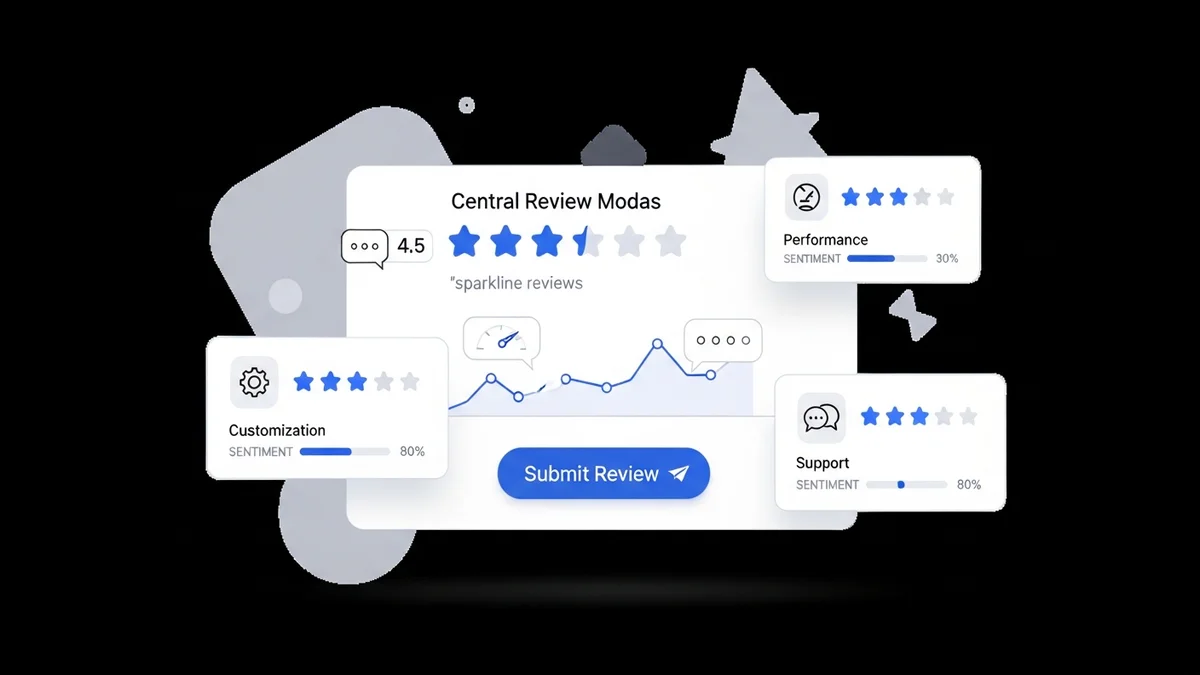
Kling AI earns its 4.5-star rating on technical merit. The Kling 2.5 Turbo model, 3-minute clip capability, 1080p/48 FPS output, and the 4-image Elements character consistency system are all genuinely strong capabilities that few tools at this price match. For creators who can absorb some production uncertainty, it's an excellent value.
But the business model decisions — expiring credits, no refunds on failures, and effectively no customer support — create real risk for professional use. These aren't minor inconveniences; they're structural problems that make Kling unsuitable as a primary tool for any workflow where reliability is non-negotiable.
The practical recommendation: use Kling as a primary tool if you're an independent creator focused on character-consistent animation or cinematic social content. Use it as a secondary tool if you're in an agency or client-services context where Runway or another more support-backed platform handles mission-critical deliverables.
At $37/month for the Pro plan with 3,000 credits, Kling sits at a price-to-capability ratio that's difficult to beat in 2026. Just go in with clear eyes about what happens when something goes wrong.