What Is Synthesia and Why It Dominates Enterprise AI Video in 2026
Synthesia is a browser-based AI video platform that converts text, documents, PowerPoint files, and URLs into finished videos using AI avatars and synthetic voices. Founded in 2017 in London, it has grown into one of the most widely deployed enterprise AI video tools on the market, now serving tens of thousands of business customers — including a significant share of Fortune 100 companies — and backed by investors including Mark Cuban Companies.
The core value proposition is blunt: eliminate the camera, the studio, and the production crew. You write a script, pick an avatar, and Synthesia renders a polished video in minutes. No recording, no editing software, no video experience required.
In 2025, Synthesia shipped a new feature every two working days — an aggressive release cadence that has widened the gap between it and most avatar-video competitors. If you are evaluating AI video tools for corporate training, onboarding, HR communications, or multilingual content at scale, Synthesia is the benchmark everything else gets measured against.
Core Features Breakdown (2026 Update)
AI Avatars and Voice
Synthesia's avatar library is its most recognizable differentiator. The platform ships with over 230 stock AI avatars representing diverse appearances, ages, and professional contexts. Beyond stock avatars, the 2025 feature push introduced several critical upgrades:
- Express-2 Avatars: A new generation of avatars with more natural facial expressions, reduced uncanny-valley effect, and faster rendering times.
- Avatars that can take action: Avatars are no longer static presenters — they can gesture, point, and interact with on-screen elements, making tutorial and product walkthrough content significantly more engaging.
- Avatar Customization: Change background environments and outfit styles without re-recording or switching avatars. Critical for brand consistency across departments.
- Multicam Avatars: Multiple camera angles within a single video scene, adding production depth that was previously impossible in avatar-only video tools.
- Custom Avatar creation: Enterprise plans allow you to create a digital twin of a real person from a short recorded session — used widely for CEO communications and brand spokesperson content.
On the voice side, Synthesia supports over 140 languages and accents. The 2025 updates added:
- Express Voice: Faster voice synthesis with improved prosody, reducing the robotic cadence that plagued earlier versions.
- Multilingual Voice Cloning: Clone a speaker's voice and use it across translated versions of the same video — maintaining vocal identity even when the language changes.
- Speech Regeneration: Re-render specific sentences without regenerating the entire video.
- Voice Persistence and Voice Controls: Fine-tune pacing, emphasis, and pauses at the sentence level.
- Pronunciation Dictionary: Define how product names, acronyms, and technical terms are pronounced — a major time-saver for technical training content.
AI Dubbing and Translation
Synthesia's AI dubbing covers 130+ languages with lip-sync synchronization. This is one of the most commercially significant features on the platform. A single English training video can be dubbed into 20 languages in under an hour — work that would take a traditional localization agency weeks and cost tens of thousands of dollars.
- Transcript Proofreading: Review and edit auto-generated transcripts before dubbing to catch translation errors.
- XLIFF Import/Export: Connects Synthesia to professional translation management systems — critical for enterprises with existing localization workflows.
- Bulk Generation: Generate all translated versions of a video simultaneously rather than one at a time.
- Secure Editing: Edit dubbed videos without exposing original source assets — relevant for regulated industries handling sensitive content.
Editor and AI Playground
The Synthesia editor has matured from a basic slide-and-script interface into a proper video production environment. Notable 2025 additions include:
- AI Playground: Access to multiple generative video and image models within the editor — including Sora 2, Google Veo 3.1, FLUX 2, and Nano Banana Pro — for generating B-roll and background visuals without leaving the platform.
- Dynamic Captions: Auto-generated, styled captions that update when scripts change.
- Effects: Pop, Shake, Blink, Zoom, Pan, and Pause/Play animations for text and visual elements.
- Storyboard View: Visual scene planning before committing to video generation.
- Timeline: Frame-level editing control, bringing Synthesia closer to traditional NLE workflows.
- Swap Shot: Replace a single scene's visual without regenerating the whole video.
- Spaces: Team workspaces for organizing and sharing projects across large organizations.
Newsletter
Get the latest SaaS reviews in your inbox
By subscribing, you agree to receive email updates. Unsubscribe any time. Privacy policy.
Input Formats: Script-to-Video and PPT-to-Video
Synthesia accepts multiple input types beyond plain text:
- Script-to-Video: Paste a script and the AI structures it into scenes with avatar placements and layout suggestions.
- PPT-to-Video: Upload a PowerPoint and Synthesia converts slides into video scenes. The 2025 update added editable text and image replacement within converted slides — no longer locked to the original file.
- URL and PDF inputs: Paste a webpage URL or upload a PDF and Synthesia extracts content to build a video structure automatically.
- Dynamic Templates: Reusable video templates with variable fields — build once, populate with different data for different use cases or audiences.
- Outline View: Restructure video content at the outline level before rendering.
Interactivity and SCORM
For L&D teams, Synthesia's interactivity features are a major differentiator over simpler avatar tools like D-ID:
- Interactivity 2.0: Embed quizzes, knowledge checks, and clickable hotspots directly in videos.
- Branching Scenarios: Build decision-tree training content where viewers choose paths based on responses.
- CTAs: Embed call-to-action buttons within videos for sales enablement or product training.
- SCORM Import for Interactive Videos: Import existing SCORM-compliant courses and layer Synthesia video on top — critical for organizations migrating legacy LMS content.
Synthesia Pricing (2026)
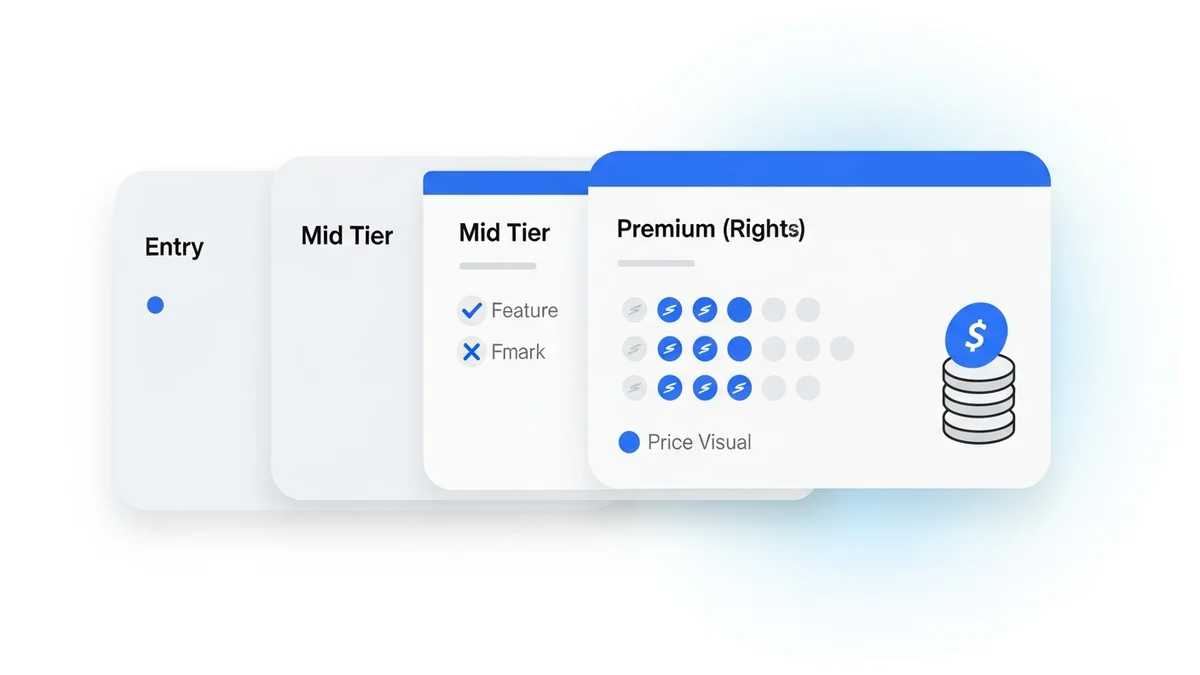
| Plan | Monthly Price | Videos/Month | Key Limits | Best For |
|---|---|---|---|---|
| Free | $0 | 3 | Watermarked, limited avatars, no downloads | Evaluation only |
| Starter | $18/month (billed annually) | 10 | Limited avatars, no custom avatar, no API | Freelancers, small teams testing the platform |
| Creator | $64/month (billed annually) | 30 | Full avatar library, custom avatar (1 seat), no SCORM | Content creators, small L&D teams |
| Enterprise | Typically $500–$1,500+/month | Unlimited | Full feature access, API, SSO, custom avatars, SCORM, SLA | Corporate L&D, HR, large-scale multilingual content |
The pricing gap between Creator and Enterprise is steep. If your team needs SCORM export, API access, branching scenarios, or bulk dubbing, you are looking at Enterprise — budget accordingly.
Where Synthesia Excels vs. Where It Falls Short
Strengths
- Enterprise-grade scalability: No other avatar video tool matches Synthesia's depth of features for organizations managing hundreds of videos across multiple languages and departments.
- Multilingual output at scale: 130+ language dubbing with voice cloning is unmatched for global content operations.
- L&D ecosystem integration: SCORM support, LMS compatibility, and interactive video features make it a natural fit for corporate training teams.
- Rapid release cadence: A new feature every two working days in 2025 means the platform keeps pace with the AI video landscape — including access to frontier models like Sora 2 and Veo 3.1 inside the editor.
Limitations
- Not designed for creative or cinematic video: Synthesia produces clean, professional corporate content. If you need dynamic scene generation, abstract visuals, or film-quality output, tools like Runway Gen 4.5 or Google Veo 3.1 are more appropriate.
- Avatar realism ceiling: Despite Express-2 improvements, heavy close-up shots still reveal avatar artificiality. Competitors like HeyGen have closed this gap in some scenarios.
- Cost at scale: For small teams producing fewer than 10 videos per month, the Creator plan's per-video economics are expensive compared to alternatives.
- Limited motion video generation: The AI Playground adds model access, but Synthesia's core output is still avatar-led. It is not a substitute for a pure generative video tool.
Synthesia vs. Key Competitors
| Platform | Primary Use Case | Avatar Quality | Languages | SCORM/LMS | Starting Price |
|---|---|---|---|---|---|
| Synthesia | Enterprise L&D, HR, training | High (Express-2) | 130+ | Yes (Enterprise) | $18/month |
| HeyGen | Marketing, sales video, social | High | 40+ | No | $24/month |
| D-ID | Talking photo, chatbot avatars | Medium | 30+ | No | $5.9/month |
| Pictory | Blog/article-to-video, repurposing | N/A (no avatars) | Limited | No | $19/month |
The key differentiator is clear: Synthesia is the only platform in this comparison that combines enterprise-grade avatar quality, 130+ language dubbing, interactive video, and LMS/SCORM integration in a single tool. HeyGen is a legitimate alternative for marketing-focused avatar video but lacks the training infrastructure. D-ID is strong for conversational AI avatars at low cost but does not compete on production depth.
Common Mistakes and How to Avoid Them
Mistake 1: Writing scripts the same way you write for humans
AI avatars do not handle colloquial speech, filler words, or interruptions well. A script written as "So, uh... what we're gonna look at today is..." will produce choppy, awkward output. Write scripts formally, in complete declarative sentences. Use Synthesia's Pronunciation Dictionary to define any product names or acronyms before generating — failing to do this causes mispronunciation errors that require regeneration.
Mistake 2: Skipping the Storyboard step for long-form content
Teams frequently jump straight from script to generation for videos over five minutes. Without reviewing the Storyboard view first, scene breaks land in the wrong places and avatar placements clash with on-screen text. Use Outline View to restructure content, then Storyboard to verify visual flow before committing a video render credit.
Mistake 3: Using translation without transcript proofreading
Synthesia's auto-translation is strong but not infallible. Technical content — compliance training, medical procedures, financial regulations — requires human review of translated transcripts before dubbing runs. Skipping this step has caused organizations to ship training videos with mistranslated safety instructions. Use the Transcript Proofreading feature and involve a native speaker for high-stakes content.
Mistake 4: Underestimating Enterprise plan requirements
Teams frequently start on Creator expecting to scale, then hit hard walls: no SCORM export, no API access, no branching scenarios. If your intended use case includes LMS publishing or interactive training paths, start at Enterprise pricing from day one rather than migrating mid-project.
Mistake 5: Using Synthesia for content that needs cinematic video
Synthesia is the wrong tool for product launch videos, brand campaigns, or social content requiring dynamic visual storytelling. Using it for these cases produces polished-but-flat output that underperforms against native social content. For those use cases, evaluate generative tools like Runway Gen 4.5 or creative avatar tools like HeyGen instead.
Who Should Use Synthesia in 2026
Synthesia is the right choice when your primary need is scalable, multilingual, professional video that does not require creative cinematography. The clearest winning use cases:
- L&D and HR teams building onboarding modules, compliance training, or policy update videos that need to run in 10+ languages and publish to an LMS.
- Enterprise communications teams producing executive update videos, internal newsletters, and department briefings without scheduling studio time.
- Customer education and support teams converting help documentation, product walkthroughs, and FAQ content into video at scale using PPT-to-video and URL input workflows.
- Global organizations where localizing a single video into 20+ languages via manual dubbing would cost $50,000+ and take 6–8 weeks — Synthesia collapses that to under $1,000 and a few hours.
If your use case fits that profile, Synthesia is not just a strong option — it is the category leader by a meaningful margin in 2026. Start with the Creator plan to validate workflows, then escalate to Enterprise once SCORM, API, or bulk dubbing requirements emerge.