
What Is Synthesia? A Quick Strategic Overview
Synthesia is an AI avatar video platform built for corporate, training, and instructional video production. Unlike creative generative tools like Sora 2 or Google Veo 3.1 that generate cinematic footage from prompts, Synthesia's core value proposition is turning scripts into presenter-led videos using AI avatars — without cameras, crews, or studios.
In 2025, Synthesia shipped a new feature every two working days according to CEO Victor Riparbelli. That pace resulted in a platform that now covers AI dubbing in 130+ languages, interactive branching scenarios, SCORM-compatible e-learning videos, and a full AI Playground integrating third-party models including Sora 2, Veo 3.1, FLUX 2, and Nano Banana Pro. For L&D teams and corporate communicators, that feature density is genuinely hard to match.
But Synthesia is not the right tool for everyone. This guide breaks down the real pros and cons so you can decide whether it belongs in your stack — and where it falls short.
Synthesia Pros: Where It Genuinely Excels
1. Speed of Production for Script-Based Video
The biggest advantage Synthesia offers is time-to-video. A 5-minute training video that would take a full production day with cameras, a presenter, and a video editor can be produced in under an hour. The Script-to-Video feature introduced in 2025 takes a written script and auto-generates a structured video with scenes, captions, and avatar narration. This is purpose-built for internal communications, onboarding, compliance training, and product explainers.
For teams producing dozens or hundreds of videos per year, this reduction in per-video overhead compounds significantly. A 10-person L&D team that previously outsourced video production can become fully self-sufficient using Synthesia's editor without any video production background.
2. Multilingual Video at Scale
Synthesia's AI Dubbing covers 130+ languages with lip-sync technology that matches the avatar's mouth movements to translated audio. The 2025 feature set added Multilingual Voice Cloning, allowing a single recorded voice to dub into other languages while retaining tonal characteristics. XLIFF Import/Export makes it compatible with professional translation management workflows.
For global enterprises producing localized compliance training or product tutorials, this eliminates the need to re-record or hire voice talent per language. A single master video can be localized into 10 languages in the time it previously took to produce one.
3. Corporate-Grade Interactivity and E-Learning Integration
Synthesia's Interactivity 2.0 is a meaningful differentiator against most avatar tools. It supports:
- Quiz modules embedded directly in video
- Branching scenarios that route viewers based on responses
- CTAs and clickable overlays
- SCORM import for integration with LMS platforms like Cornerstone, Docebo, and TalentLMS
This puts Synthesia in a category above simple avatar generators. It is competing with dedicated e-learning authoring tools like Articulate Rise while also covering the video production layer — a combination most competitors cannot match.
4. Avatar Quality and Customization
The 2025 Express-2 Avatar update significantly improved realism and expressiveness. Users can now customize avatar backgrounds and outfits, use Multicam Avatars for more dynamic presentation styles, and create personal AI avatars by recording a short video clip. The Avatar Customization features allow branded presenters — a meaningful upgrade over the generic stock avatar library that early Synthesia versions relied on.
5. PPT-to-Video and Workflow Integrations
Synthesia's PPT-to-Video feature converts PowerPoint presentations into narrated videos with editable text, image replacement, and avatar overlays. For marketing, sales enablement, and internal communications teams already working in slides, this creates a direct pipeline from existing assets into video — no redesign required.
Synthesia Cons: Real Limitations to Know Before You Buy
1. Avatar Realism Has a Ceiling
Despite rapid improvement, Synthesia avatars still operate within an "uncanny valley" range for many viewers. Eye contact, micro-expressions, and natural hand gestures remain stylized rather than photorealistic. For customer-facing marketing videos, external brand communications, or content where human authenticity matters, avatar video can feel impersonal or robotic.
A common mistake is deploying Synthesia for top-of-funnel brand videos and experiencing lower engagement compared to real presenter footage. The tool is significantly better suited for internal use cases — training, compliance, onboarding — where the viewer's relationship to the content is functional rather than emotional.
2. Creative Flexibility Is Limited
Synthesia is a structured video production tool, not a creative generation platform. You cannot generate cinematic scenes, dynamic b-roll, or stylized footage the way Runway Gen 4.5 or Google Veo 3.1 can. The AI Playground adds access to those models as supplemental tools, but the core workflow is still: script → avatar → structured slides.
Newsletter
Get the latest SaaS reviews in your inbox
By subscribing, you agree to receive email updates. Unsubscribe any time. Privacy policy.
If your primary need is creative, narrative, or cinematic video generation, Synthesia is the wrong starting point. It is an avatar + teleprompter platform, not a generative film tool.
3. Pricing Is Steep for Solo Creators and Small Teams
Synthesia's pricing is structured for business buyers, not individual creators. The Starter plan at $29/month (billed annually) limits you to roughly 10 videos per month. The Creator plan at $89/month removes those caps and adds custom avatar features. Enterprise plans for team features, advanced integrations, and priority support typically run $500+/month.
For freelancers or small agencies producing occasional videos, tools like HeyGen or D-ID offer comparable avatar functionality at lower entry price points. Synthesia's value multiplies with volume — the unit economics work for enterprise teams, not one-off projects.
4. Voice Quality Can Feel Generic on Standard Avatars
While Voice Cloning and Express Voice improve the situation, Synthesia's default TTS voices carry the recognizable cadence of AI narration — consistent pacing, limited emotional range, and occasional awkward stress on syllables. For executive communications or high-stakes customer-facing content, this is often a deal-breaker without custom voice cloning.
A frequent mistake is skipping the Voice Cloning setup during onboarding, then publishing videos with generic voices and receiving negative feedback from viewers. The fix exists in the platform but requires an additional recording step that many new users overlook.
5. Learning Curve for Advanced Features
The feature velocity that makes Synthesia powerful in 2025-2026 also makes the platform complex. Dynamic Templates, Storyboard view, Branching Scenarios, SCORM export, Timeline editing, and the AI Playground are not self-explanatory. Teams without a dedicated owner for the platform often underutilize it significantly, paying for Creator or Enterprise tiers while only using Script-to-Video and basic avatar selection.
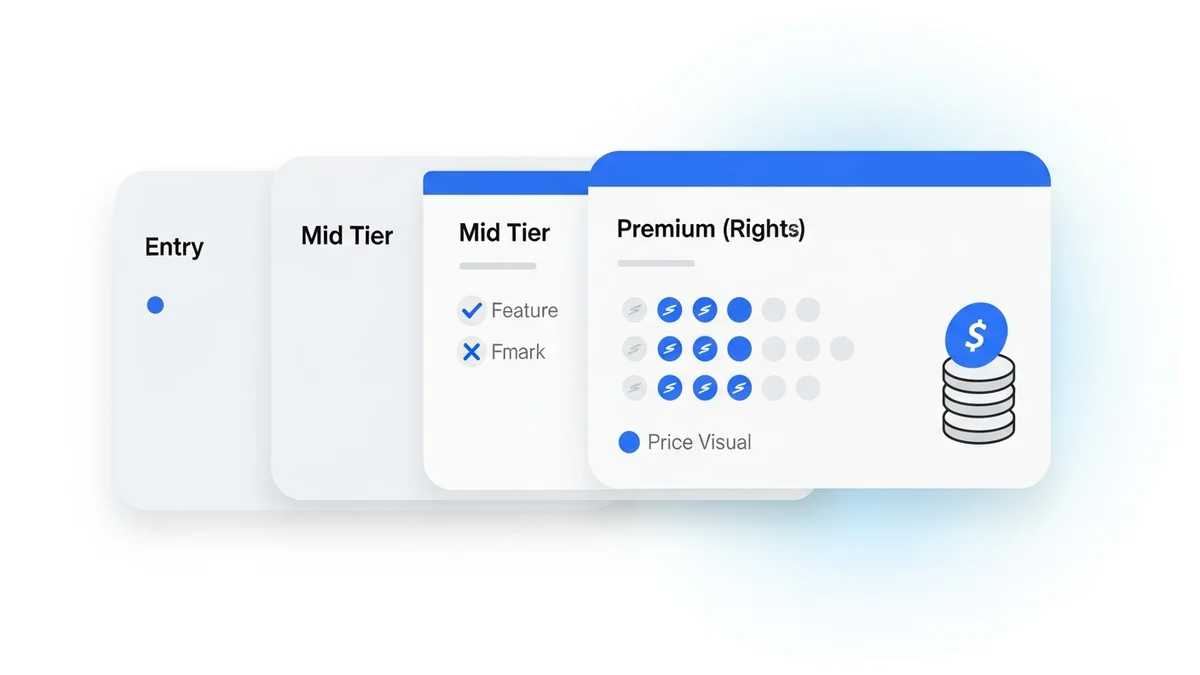
Synthesia Pricing Breakdown
| Plan | Monthly Price (Annual Billing) | Video Output | Key Features | Best For |
|---|---|---|---|---|
| Free | $0 | 3 minutes/month | Basic avatars, 9 scenes max, watermarked | Testing the platform |
| Starter | $29/month | ~10 videos/month | 125+ avatars, 120+ languages, no watermark | Individual users, light use |
| Creator | $89/month | Unlimited videos | Custom avatar, brand kit, priority rendering | Power users, small teams |
| Enterprise | Typically $500+/month | Unlimited + team seats | SSO, API access, SCORM, advanced analytics, SLA | L&D teams, large organizations |
How Synthesia Compares to Key Alternatives
| Tool | Core Strength | Avatar Quality | Language Support | Starting Price | Best Use Case |
|---|---|---|---|---|---|
| Synthesia | Corporate training + interactivity | High (Express-2) | 130+ languages | $29/month | L&D, internal comms |
| HeyGen | Avatar quality + marketing video | Very High | 40+ languages | $24/month | Marketing, social, sales |
| D-ID | Photo-to-video avatars | Medium | 100+ languages | $5.90/month | Budget-conscious solo users |
| Sora 2 | Cinematic scene generation | No avatars | N/A | Included in ChatGPT Plus | Creative, narrative video |
| Google Veo 3.1 | Photorealistic video generation | No avatars | N/A | Free via Google Labs | Creative production |
Who Should Use Synthesia — and Who Should Not
Synthesia Is the Right Choice If You:
- Run an L&D, HR, or internal communications function producing more than 20 videos per year
- Need to localize training content across multiple languages without re-recording
- Require SCORM-compatible interactive videos for an LMS deployment
- Want to eliminate video production dependencies on external agencies or studios
- Are converting existing slide decks into narrated video at scale
Synthesia Is the Wrong Choice If You:
- Need cinematic, creative, or narrative video — look at Runway Gen 4.5 or Google Veo 3.1 instead
- Are a solo creator producing fewer than 5 videos per month — the pricing doesn't justify the cost
- Primarily need short-form social video — tools like Pika Labs or Kling AI are more appropriate
- Want human authenticity in customer-facing video — avatar video will underperform real presenter footage for brand and sales use cases
- Need text-to-video article repurposing — Pictory is purpose-built for that workflow at a lower price
Common Mistakes Users Make With Synthesia
Mistake 1: Skipping Avatar Setup and Publishing Generic Presenters
New users frequently publish videos using the stock avatar library without creating a custom avatar or configuring branded voice cloning. The result is a polished-looking video undermined by an unfamiliar presenter who sounds robotic. The fix: record your custom avatar (a 2-minute clip) during onboarding, and record a voice sample for Express Voice to ensure all videos carry a consistent, recognizable presenter identity.
Mistake 2: Using Synthesia for External Marketing Video
A recurring pattern among new enterprise customers is attempting to deploy Synthesia for customer-facing promotional content — product launch videos, testimonial-style clips, brand storytelling. Avatar video underperforms in these contexts because viewers have higher authenticity expectations. Reserve Synthesia for internal and educational use cases, and use real footage or a creative AI tool for external marketing.
Mistake 3: Ignoring the Interactivity Features
Many teams pay for Creator or Enterprise plans and use Synthesia purely as a talking-head video tool, ignoring branching scenarios, quizzes, and SCORM export entirely. These features are the platform's most defensible differentiator. A compliance training video with embedded knowledge checks and branching scenarios delivers 30-40% better completion rates than a linear video in most corporate LMS deployments — but teams that skip the setup get none of that benefit.
Mistake 4: Underestimating the Script Quality Dependency
Synthesia's output quality is directly bounded by the quality of the input script. The platform has no mechanism to improve weak writing — it converts what you give it. Teams that expect AI to handle scripting without dedicated human review consistently produce videos with awkward pacing, unclear calls to action, and missed learning objectives. Use Synthesia's Script-to-Video feature as a starting point, then edit the generated script before rendering.
Final Verdict: Is Synthesia Worth It in 2026?
Synthesia is the strongest purpose-built platform for enterprise video production at scale. The 2025 feature velocity — a new feature every two working days — delivered real capability improvements across avatar quality, language support, interactivity, and AI model integrations. For L&D teams, HR departments, and internal communications functions producing high volumes of structured video, the ROI is clear: dramatically reduced per-video cost, faster production cycles, and built-in localization that would otherwise require significant outsourcing budget.
The limitations are real but predictable. Synthesia is not a creative video tool. It is not optimized for external marketing. It is not cheap for individual users. If your use case sits outside corporate training and internal video production, you are likely paying a premium for features you do not need. In that case, a specialized tool aligned with your workflow — whether that is HeyGen for marketing avatars, Sora 2 for cinematic generation, or Pictory for article repurposing — will serve you better at a lower cost.
For organizations that fit the core use case, Synthesia is not just worth it — it is the category leader, and its 2025-2026 development pace shows no signs of slowing.