
Introduction to Kling AI: The Future of Video Creation in 2026
Kling AI is rapidly emerging as a leading AI video generator in 2026, offering a suite of powerful features designed to streamline the video creation process. With its intuitive interface and advanced capabilities, Kling AI empowers users of all skill levels to produce high-quality videos with minimal effort. From generating engaging content for social media to creating professional-grade marketing materials, Kling AI is transforming the way videos are made.
This comprehensive guide will delve into the core features of Kling AI, providing detailed explanations, practical tips, and real-world use cases. Whether you're a seasoned video editor or a complete beginner, this guide will equip you with the knowledge and skills to harness the full potential of Kling AI in 2026.
Key Features of Kling AI 3.0
The latest iteration, Kling AI 3.0, marks a significant leap forward in AI video generation. Launched in early 2026, Kling 3.0 introduces several groundbreaking features that redefine the possibilities of AI-powered video creation. According to the release notes, Kling AI 3.0 is designed to be an "All in One, One for All!" solution, catering to both novice and experienced users.
- Multi-Shot Generation: One of the most exciting additions is the ability to generate multi-shot videos. This allows users to create longer, more complex narratives without the limitations of single-scene clips. With multi-shot generation, you can seamlessly transition between different scenes and perspectives, creating a more dynamic and engaging viewing experience.
- Character Consistency: Maintaining character consistency across multiple scenes has always been a challenge in AI video generation. Kling AI 3.0 addresses this issue with its advanced character consistency feature. Now, you can ensure that your characters look and behave consistently throughout your video, creating a more believable and immersive storyline.
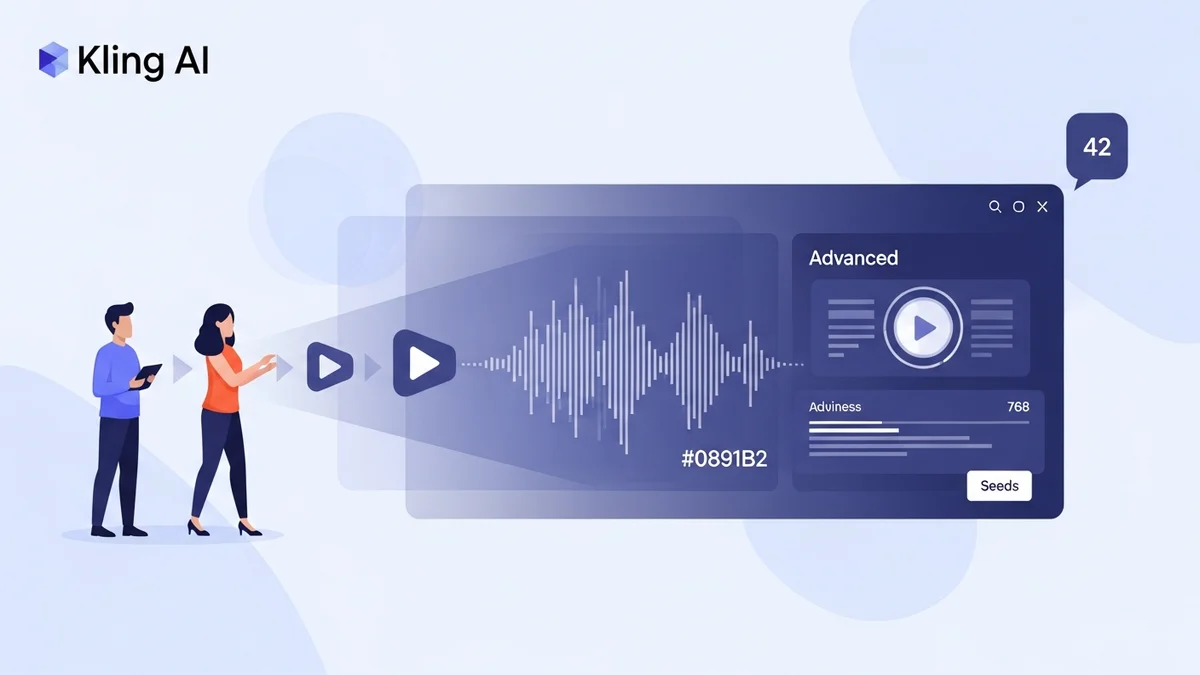
- Native Audio Integration: Kling AI 3.0 also boasts native audio integration, allowing you to add sound effects, music, and dialogue directly within the platform. This eliminates the need for external audio editing tools, streamlining the entire video creation process.
Early access to Kling 3.0 is currently available to Pro subscribers and above, with a full release planned for the near future. This phased rollout allows the Kling AI team to gather feedback and fine-tune the platform before making it available to the wider user base.
Kling 2.6: Native Audio and Visual Synchronization
While Kling AI 3.0 is the latest and greatest, Kling 2.6 remains a powerful and versatile tool for AI video generation in 2026. One of its standout features is its exceptional native audio capabilities. According to a review by AI Hub, Kling 2.6 excels at synchronizing dialogue, sound effects, and ambient sounds in a single pass. This level of integration is crucial for creating immersive and engaging videos that captivate your audience.
In comparison to other AI video generators like Sora 2 (OpenAI), Veo 3.1 (Google), and Wan 2.6 (Alibaba), Kling 2.6 stands out for its ease of use and high-quality audio synchronization. While Sora 2 offers good audio capabilities, it often requires separate prompt layers to achieve the desired results. Veo 3.1 boasts strong integration with YouTube data, but its focus is more on broadcast-style content. Wan 2.6 excels at music and rhythm, but it may not be as well-suited for dialogue-heavy videos. Kling 2.6 strikes a balance between ease of use, audio quality, and visual realism, making it a compelling choice for a wide range of video creation tasks.
Moreover, Kling 2.6 works seamlessly as an image-to-video AI to
Newsletter
Get the latest SaaS reviews in your inbox
By subscribing, you agree to receive email updates. Unsubscribe any time. Privacy policy.
ol. You can upload an image, and the model will animate it, adding motion and sound to your visuals. This is particularly useful for bringing static images to life and creating engaging content for social media and marketing campaigns.
The Elements Feature: Maintaining Character Consistency
One of the most frustrating aspects of AI video generation is maintaining character consistency across multiple scenes. Characters often change appearance or behavior from one clip to the next, breaking the immersion and disrupting the narrative flow. The Elements feature in Kling 2.6 addresses this issue by allowing you to define and maintain consistent character attributes throughout your video.
With The Elements feature, you can specify key characteristics of your characters, such as their appearance, clothing, and personality. The AI will then use this information to ensure that your characters remain consistent across all scenes, even when generating multiple clips to overcome the 10-second clip-length limitation. This feature is particularly useful for creating longer, more complex narratives that require consistent character representation.
For example, if you're creating a video about a detective investigating a crime, you can use The Elements feature to ensure that the detective always wears the same hat, coat, and tie. You can also specify their personality traits, such as their gruff demeanor and sharp wit. By maintaining these consistent character attributes, you can create a more believable and engaging story.
Power-User Tips for Kling AI in 2026
To maximize your results with Kling AI in 2026, consider these power-user tips:
- Experiment with Different Prompts: The quality of your AI-generated videos depends heavily on the quality of your prompts. Experiment with different wordings, descriptions, and keywords to see what works best. Be specific and descriptive, providing as much detail as possible about the scene, characters, and desired outcome.
- Leverage the Image-to-Video Feature: The image-to-video feature is a powerful tool for bringing static images to life. Use it to create engaging content for social media, marketing campaigns, or educational videos.
- Master The Elements Feature: Character consistency is crucial for creating believable and immersive stories. Take the time to learn how to use The Elements feature effectively to maintain consistent character attributes throughout your videos.
- Utilize Native Audio Integration: Kling AI's native audio integration simplifies the video creation process by allowing you to add sound effects, music, and dialogue directly within the platform. Experiment with different audio options to create the perfect soundscape for your videos.
- Explore Advanced Settings: Kling AI offers a range of advanced settings that allow you to fine-tune your videos. Explore these settings to customize the video's resolution, frame rate, and other parameters to achieve the desired outcome.
Remember to keep an eye on the latest updates and features from Kling AI. The platform is constantly evolving, with new tools and capabilities being added regularly. By staying up-to-date with the latest developments, you can ensure that you're always leveraging the full potential of Kling AI.
Integration Use Cases for Kling AI in 2026
Kling AI's versatility makes it suitable for a wide range of integration use cases in 2026:
- Social Media Marketing: Create engaging videos for social media platforms to promote your brand, products, or services. Kling AI's image-to-video feature is particularly useful for transforming static images into attention-grabbing content.
- E-Learning and Training: Develop interactive e-learning modules and training videos to educate and engage your audience. Kling AI's native audio integration allows you to add narration and sound effects to enhance the learning experience.
- Content Creation for YouTube: Produce high-quality content for YouTube channels, including vlogs, tutorials, and entertainment videos. Kling AI's multi-shot generation feature enables you to create longer, more complex narratives.
- Real Estate Marketing: Create virtual tours of properties to showcase their features and amenities. Kling AI's image-to-video feature can transform static images of properties into immersive virtual tours.
- Advertising and Promotion: Develop compelling advertising campaigns and promotional videos to attract new customers. Kling AI's advanced settings allow you to customize the video's resolution, frame rate, and other parameters to meet the specific requirements of your advertising platform.
Limitations and Considerations
While Kling AI offers a wealth of powerful features, it's important to be aware of its limitations and considerations in 2026:
- Clip Length: Although Kling 3.0 has made strides, previous versions had a clip length limitation. While multi-shot generation helps, users should still be mindful of how to logically break down scenes.
- Creative Prompting: Like all AI tools, the output is heavily reliant on the quality of the input. Vague or poorly constructed prompts will result in unsatisfactory videos.
- Ethical Considerations: As AI video generation becomes more sophisticated, it's crucial to consider the ethical implications of using this technology. Be mindful of potential misuse, such as creating deepfakes or spreading misinformation.
Conclusion: Kling AI - A Powerful Tool for 2026
Kling AI is a powerful and versatile tool for AI video generation in 2026, offering a range of features that streamline the video creation process and empower users of all skill levels. With its multi-shot generation, character consistency, and native audio integration, Kling AI is transforming the way videos are made. As AI technology continues to evolve, Kling AI is poised to remain at the forefront of the AI video generation revolution.
While there are limitations to consider, the potential benefits of using Kling AI are undeniable. Whether you're a social media marketer, e-learning developer, or content creator for YouTube, Kling AI can help you create engaging and effective videos that captivate your audience. By mastering its features and staying up-to-date with the latest developments, you can unlock the full potential of Kling AI and create stunning videos that stand out from the crowd.
Don't forget to check out our other guides on AI tools, such as Descript pricing, Pika Labs pricing, and Kling AI pricing to compare and contrast different options and choose the best solution for your needs. Also, check out another article on Descript pricing for more insights.