Introduction to Kling AI 2026
Kling AI, developed by Kuaishou Technology, has emerged as a prominent player in the rapidly evolving landscape of AI-powered video generation. Launched initially in June 2024, Kling AI aims to democratize video creation by allowing users to generate video content from simple text prompts and even image inputs. This review delves into Kling AI's features, performance, pricing, and overall suitability for various user profiles in 2026.
Key Features of Kling AI
Kling AI boasts a range of features designed to streamline the video creation process. At its core, it offers text-to-video generation, enabling users to describe a scene or concept, and the AI will attempt to render it into a video clip. Image-to-video functionality is also present, allowing users to animate still images. While specific details on advanced cinematic features were touted, real-world performance in 2026 reveals limitations in achieving truly cinematic quality consistently.
Some of the advertised features include:
- Text-to-Video Generation: Create videos from written descriptions.
- Image-to-Video Generation: Animate still images.
- Cinematic Style Transfer: Apply different visual styles to your videos (feature is limited in practice).
Real-World Performance in 2026
Despite the promise of seamless video creation, user experiences with Kling AI in 2026 have been mixed. While the platform excels at generating quick, basic video content, the output quality often falls short of expectations, especially when dealing with complex scenes or specific artistic styles. Many users have reported inconsistencies between the text prompt and the resulting video, requiring multiple iterations to achieve a satisfactory result. The AI sometimes struggles with nuanced descriptions and can misinterpret user intent. Trustpilot reviews from February 2026 reflect these sentiments, with some users describing the output as "garbage" and not matching their prompts.
According to user reviews, some common issues include:
- Inaccurate interpretations of text prompts.
- Low-resolution or pixelated video output.
- Difficulty generating videos with specific characters or actions.
It's important to manage expectations when using Kling AI. While it can be a useful tool for generating simple videos quickly, it's not a replacement for professional video production. For users seeking high-quality, cinematic results, alternative platforms may be more suitable. Consider exploring options like Pika Labs for potentially higher-fidelity outputs, or even traditional video editing software if you need precise control.
Kling AI Pricing Structure
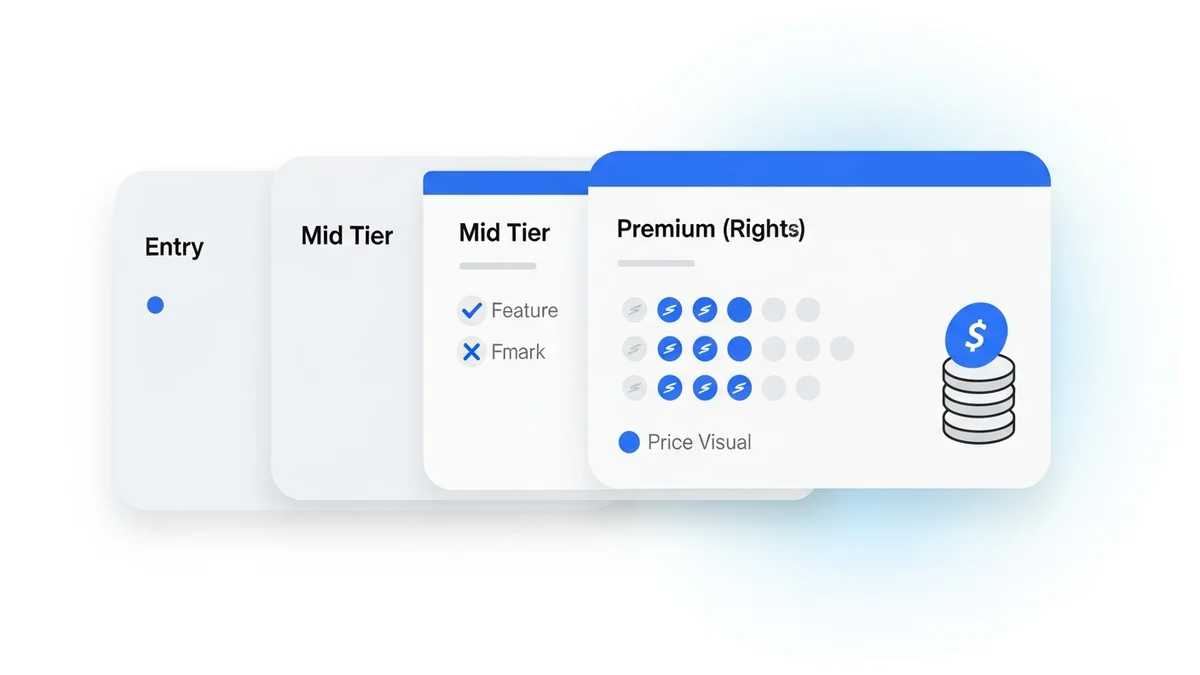
Understanding the pricing structure is crucial before committing to Kling AI. Unfortunately, specific pricing details are not readily available and can vary depending on subscription tiers and usage. Some users have reported concerns regarding token usage and potential issues with token removal after subscription expiry. This highlights the importance of carefully reviewing the terms of service and understanding the limitations of each pricing plan.
Newsletter
Get the latest SaaS reviews in your inbox
By subscribing, you agree to receive email updates. Unsubscribe any time. Privacy policy.
Always check the official website or contact Kling AI directly for the most up-to-date pricing information. Be sure to inquire about:
- Subscription tiers and associated costs.
- Token usage limits and replenishment options.
- Refund policies and cancellation procedures.
It's also wise to compare Kling AI's pricing with other AI video generation platforms like Descript or Kling AI pricing to determine the best value for your specific needs.
Pros and Cons of Kling AI in 2026
To provide a balanced perspective, here's a summary of the pros and cons of using Kling AI in 2026:
Pros:
- Rapid Video Generation: Quickly transforms text into video content.
- Accessibility: Removes traditional barriers to video production.
- User-Friendly Interface: Easy to navigate and use, even for beginners.
- Suitable for Social Media: Ideal for creating short, engaging content for platforms like TikTok, Facebook, Youtube, and Pinterest.
- Early Adopter Advantage: Get in on the ground floor of AI video creation.
Cons:
- Inconsistent Output Quality: Video quality can vary significantly.
- Limited Customization: Lack of precise control over video elements.
- Customer Support Issues: Reports of inconsistent and unreliable customer service.
- Token System Concerns: Potential issues with token removal after subscription expiry.
- Not suitable for complex projects: Struggles with nuanced descriptions and intricate scenes.
Setup Experience and User Interface
Setting up Kling AI is generally straightforward. The platform boasts a user-friendly interface that is relatively easy to navigate, even for individuals with limited technical expertise. The process typically involves creating an account, selecting a subscription plan, and familiarizing yourself with the text prompt interface. However, the simplicity of the interface can sometimes be a limitation, as it may lack advanced customization options for experienced video editors.
Ideal User Profile
Kling AI is best suited for individuals and businesses that need to generate quick video content for social media or marketing purposes. Social media creators, marketers, and content producers who require rapid video generation without the need for extensive filming or editing can benefit from the platform's speed and accessibility. However, users who require high-quality, cinematic videos or have complex video production needs may find Kling AI's limitations frustrating. It's particularly useful for creating short, engaging clips for platforms like TikTok, where speed and volume are often more important than absolute visual fidelity.
Customer Support and Reliability
One recurring concern among Kling AI users is the quality of customer support. Reviews frequently mention inconsistent and unreliable support experiences. Some users have reported difficulty getting timely responses to their inquiries or resolving technical issues. This lack of reliable support can be a significant drawback, especially for users who are new to AI video generation or encounter unexpected problems while using the platform. This is an area where Kuaishou needs to improve to enhance the overall user experience.
Alternatives to Kling AI
If Kling AI doesn't quite meet your needs, several alternative AI video generation platforms are available. These include Synthesia, Pika Labs, and Descript. Each platform offers its own unique set of features, pricing models, and strengths. For example, Synthesia specializes in creating AI-powered avatar videos, while Descript combines video editing with AI transcription and screen recording capabilities. Exploring these alternatives can help you find the platform that best aligns with your specific requirements and budget. Don't forget to check out Kling AI features guide for a more detailed comparison.
Conclusion: Is Kling AI Worth It in 2026?
Kling AI in 2026 offers a functional solution for rapid AI video generation, particularly for social media content. Its text-to-video capabilities provide a quick way to create engaging clips without the need for traditional video production. However, limitations in output quality, inconsistent customer support, and concerns about token usage are significant drawbacks. Before subscribing, carefully consider your specific needs and budget, and be prepared to manage your expectations regarding video quality and customization options. While Kling AI shows promise, improvements in these areas are needed to truly revolutionize the video creation landscape.